
DESIGNING THE RIGHT CORROSION CHAMBER ENVIRONMENT

How to Design a Reliable, Standards-Compliant Testing Environment
Corrosion chambers are precision laboratory instruments — not simple appliances. The room they live in directly affects performance, repeatability, and long-term reliability.
Proper facility planning ensures:
- Accurate, repeatable test results
- Stable chamber performance
- Reduced downtime
- Long equipment life
- Compliance with ASTM, ISO, and OEM standards
Electrical
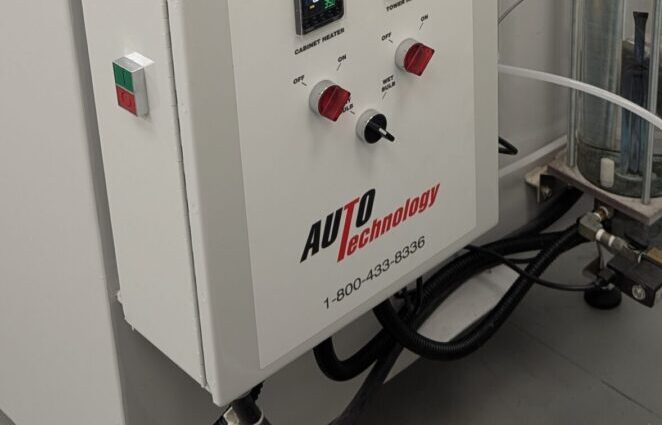
A dedicated, properly protected electrical supply is required for safe and stable operation.
- Dedicated circuit per chamber (no shared loads)
- Lockable local disconnect within sight of the instrument
- Proper grounding and bonding
- Correct voltage and phase per model
- Surge protection recommended for sensitive control electronics
Tip: Avoid extension cords or temporary wiring — voltage drop and noise can cause controller faults.
Plumbing & Utilities
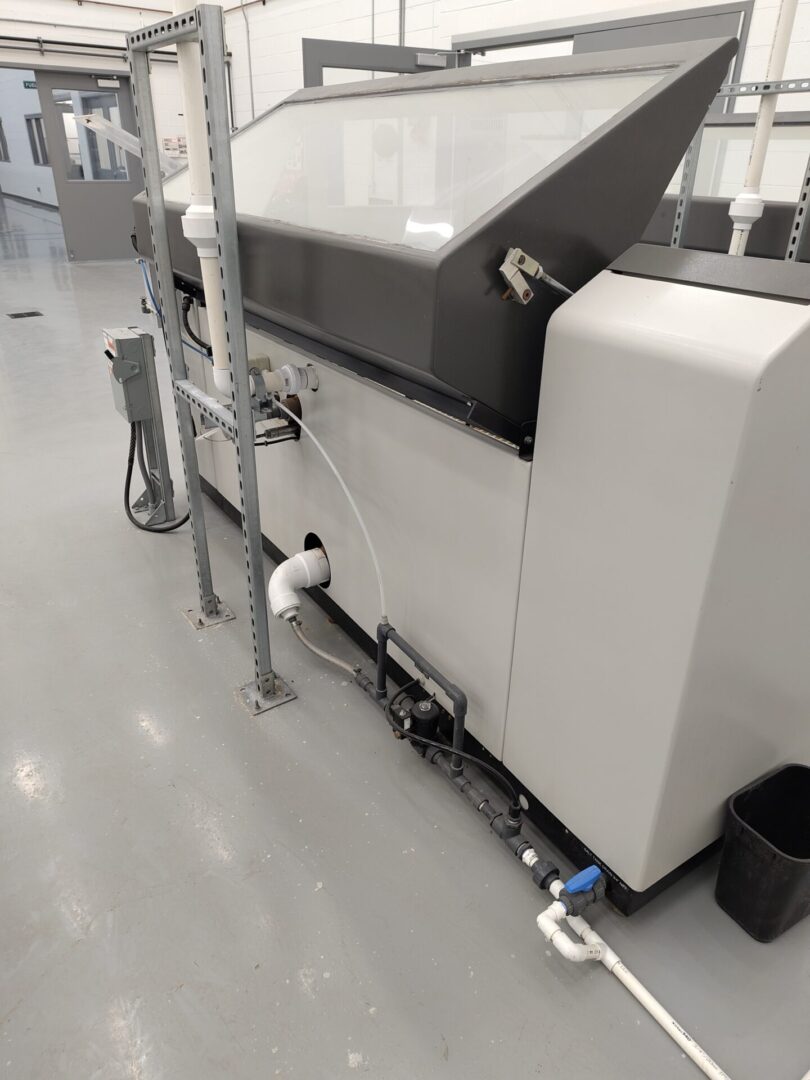
Reliable water and air supply directly impact test repeatability, uptime, and chamber longevity.
- Water: ASTM D1193 Type IV (Conductivity < 5 µS/cm); 30 to 60 psi
- Air: 65–85 psi (Clean, Dry, Oil-Free)
- Connections: Strain relief required on all hard connections
Best practice: When possible, supply the corrosion lab with a dedicated DI water system and a dedicated, continuous-duty-rated, oil-free air compressor (or dedicated branch with clearly labeled, lockable isolation valves). Utility outages and maintenance work are a recurring cause of avoidable downtime and equipment damage — especially when facilities teams service shared systems without realizing the corrosion lab is attached.
Critical warning: If compressed air is interrupted while the chamber continues running,
liquid can migrate into the air circuits.
This is one of the most costly failure modes — it can require replacement of multiple air-path components.
Prevent it: Whenever the utilities are shut down, serviced, or isolated, the corrosion chamber must be
shut down.

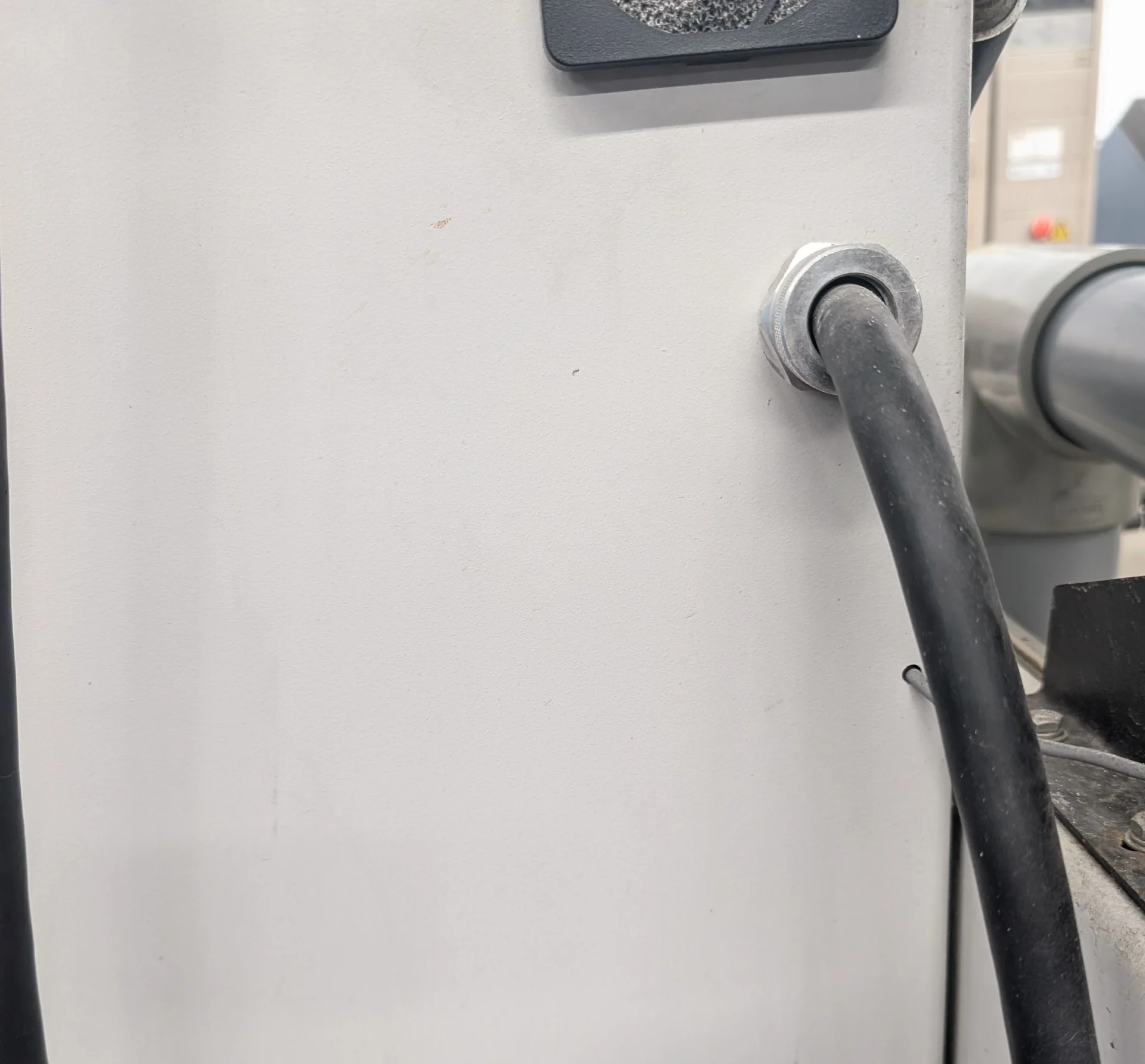
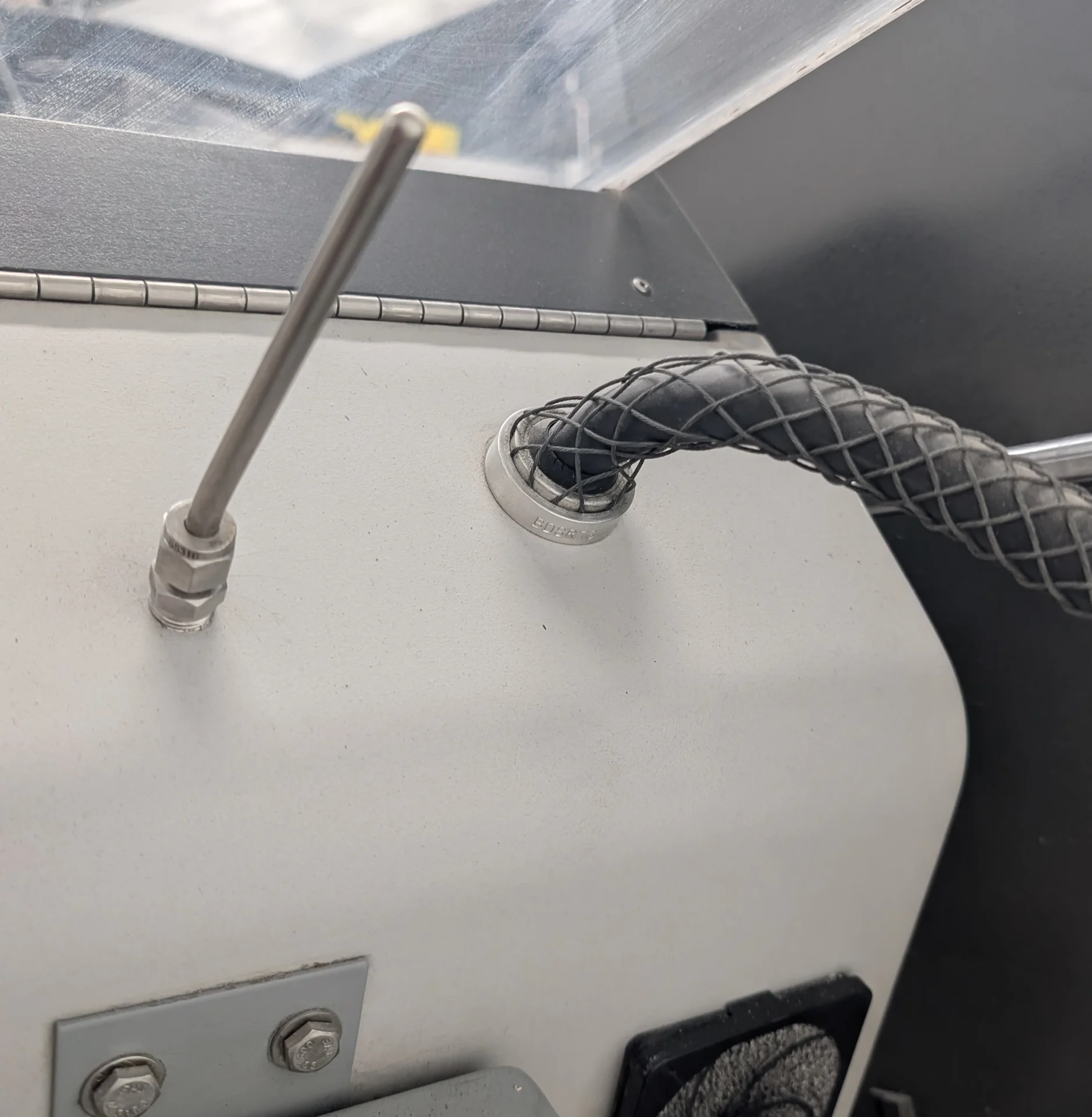
M Series: DI water and compressed air supply connections.

C, A & X Series: Most chambers require only DI water and compressed air. The black line shown is an optional direct solution connection used on certain custom systems.
Drainage, Filtration & Control Examples


Ventilation & Exhaust
Salt fog is highly corrosive. Proper exhaust protects both your building and your test data. Each chamber should have a dedicated exhaust routed outdoors using corrosion-resistant ducting.
- Vent directly outdoors
- Never tie into shared lab ductwork or a building plenum
- Use corrosion-resistant PVC ducting
- Avoid sharp bends/restrictions that cause backpressure
- Vent runs of more than 15 feet require special equipment
Tip: Ensure proper vent pitch to minimize condensation.
Tip: In pressure-controlled lab environments (positive or negative), drainage and exhaust systems must include proper traps or isolation devices to prevent pressure-induced backflow or siphoning.

Balancing & control: Manual damper for airflow tuning and system balancing.
Venting Hardware Examples


Room Environmental Conditions Dictated By Common Standards
- Temperature: 20–25°C (68–77°F)
- Humidity: 45 ±10% RH
- Non-condensing environment recommended
- Avoid high humidity and temperature swings
Intake Air Quality (Purge Cycle, if equipped): The chamber's purge blower uses ambient room air. Ensure the room is free of dust, paint fumes, and chemical vapors. If the room air is contaminated, those contaminants can be blown directly onto your test specimens during the dry cycle, potentially invalidating results.
Tip: Treat the room like a lab, not a warehouse.
Space Planning & Layout
- Minimum 24–36” clearance on service sides
- Door swing and lid clearance
- Space for solution mixing and sample handling
- Bench/prep area nearby
- Storage for salt, DI water, spare parts
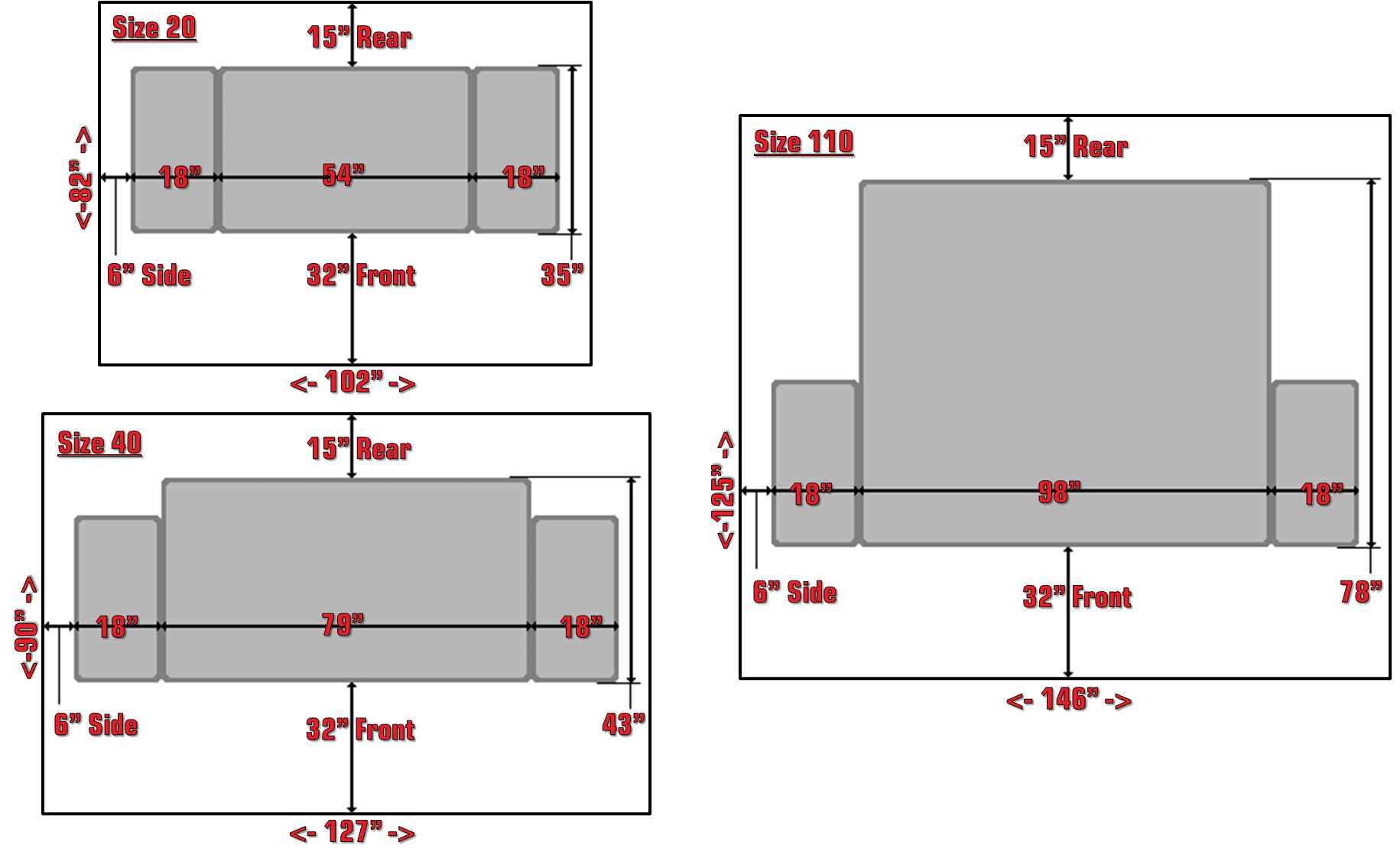
M, A, & X Series floor-plan guidance for chamber placement, service clearances, and room layout.
Floor & Structural Requirements
Chambers, solution tanks, and water jackets are heavy when filled. Plan for a stable surface, reliable open drainage, and an installation location that won’t put other equipment at risk.
- Flat, level concrete floor recommended (leveling is required for proper internal open drainage)
- Verify floor loading capacity for filled chamber + tanks
- Nearby open floor drain recommended for overflow, washdown, and maintenance
- Chemical-resistant coatings preferred
- Avoid carpet, tile, wood, or porous surfaces
Drainage Physics: Chamber drains are gravity-fed. The drain line must pitch downhill continuously. Do not hard-pipe the chamber drain directly to a sewer line. An open site drain or air gap is required to prevent siphoning and sewer gas backflow.
Location warning: Do not install corrosion chambers near, above, or below sensitive equipment areas such as server rooms, electrical rooms, clean rooms, or electronics/controls cabinets. Salt fog residue, condensate, and accidental leaks can migrate through floors, drains, or ventilation pathways and cause costly damage.


Chemical Handling & Storage
- Dedicated chemical storage area
- Sealed containers and clear labeling
- Secondary containment where required
- Mixing station with sink and rinse capability
Heat Rejection & HVAC Load
- Confirm HVAC capacity for heat load
- Avoid small enclosed rooms without airflow
- Maintain consistent ambient conditions
- Consider dedicated supplemental cooling for multiple chambers
Safety & Compliance
- Eye wash station recommended
- PPE storage
- Non-slip floors
- Adequate lighting
- Emergency access paths
- Compliance with local electrical and mechanical codes
Planning for Growth
- Additional chambers
- Extra utilities and isolation valves
- Future exhaust capacity
- Extra floor drain capacity
It is far easier to oversize utilities now than retrofit later.