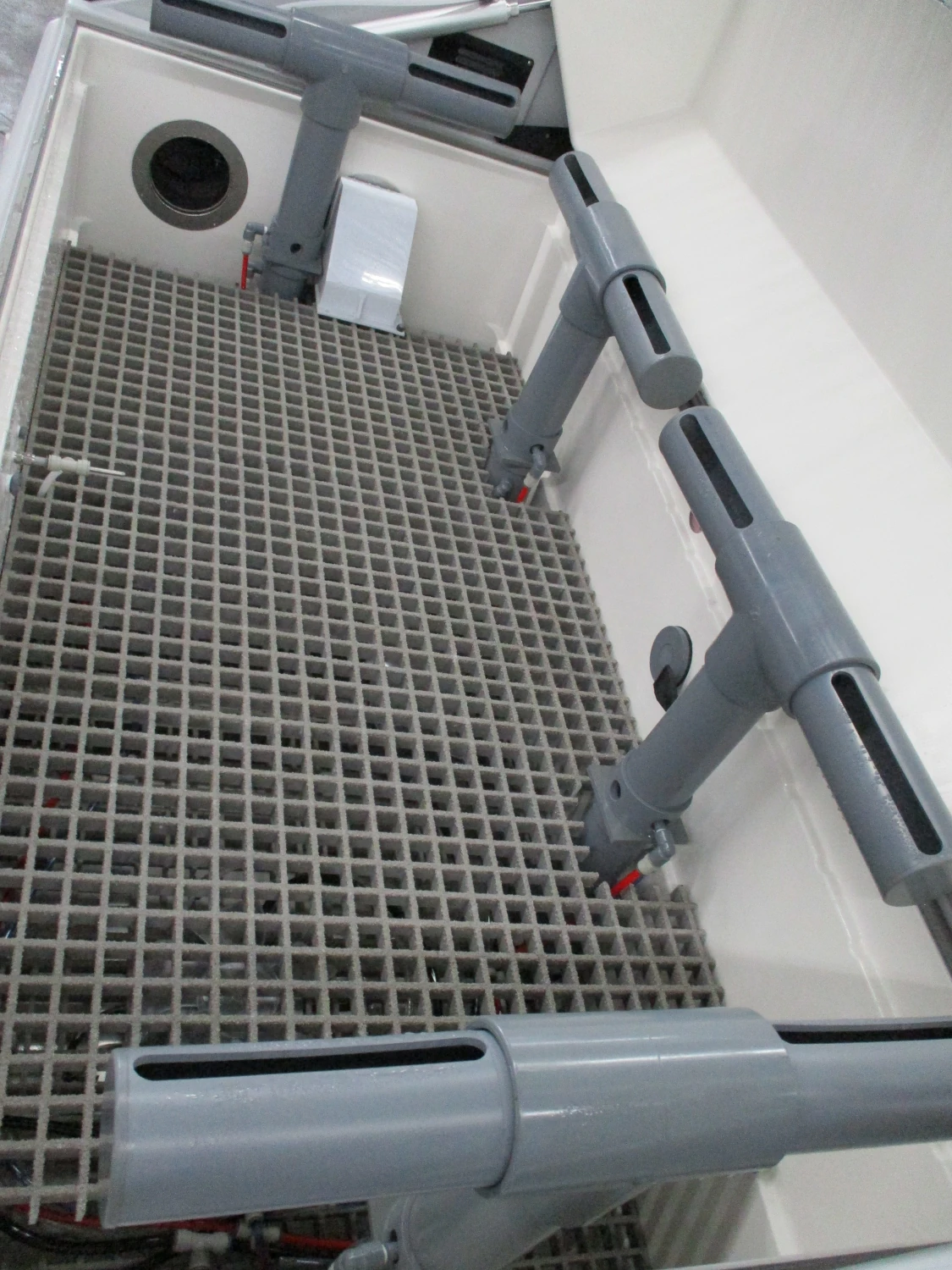
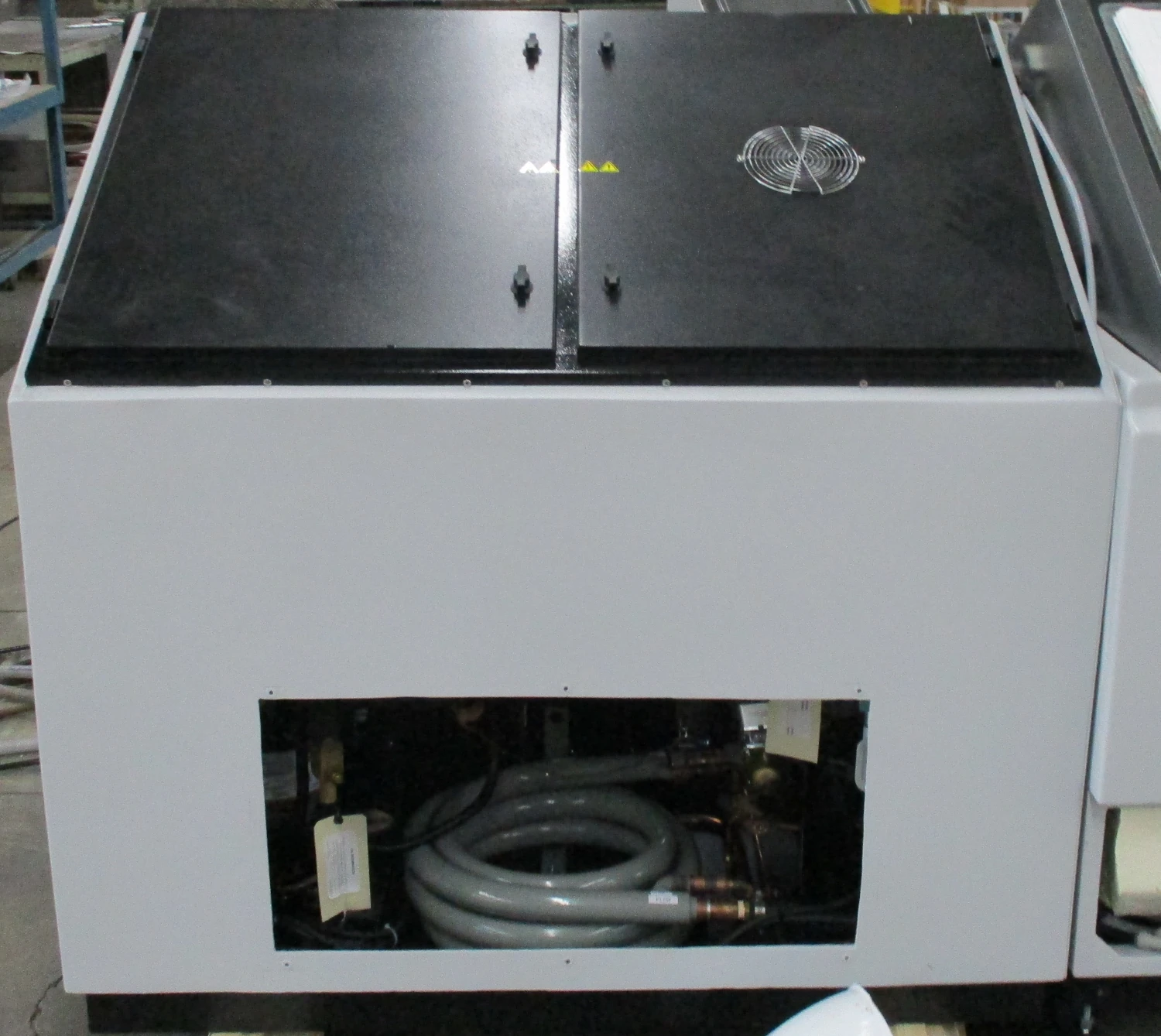
VDA 233-102 & ISO 11997-3 Test Chamber – X Series Size 40
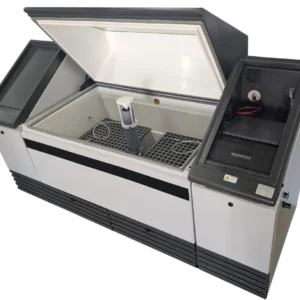
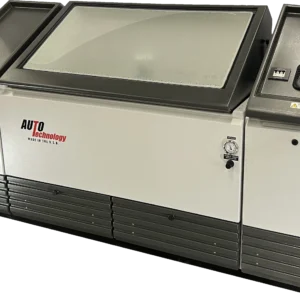
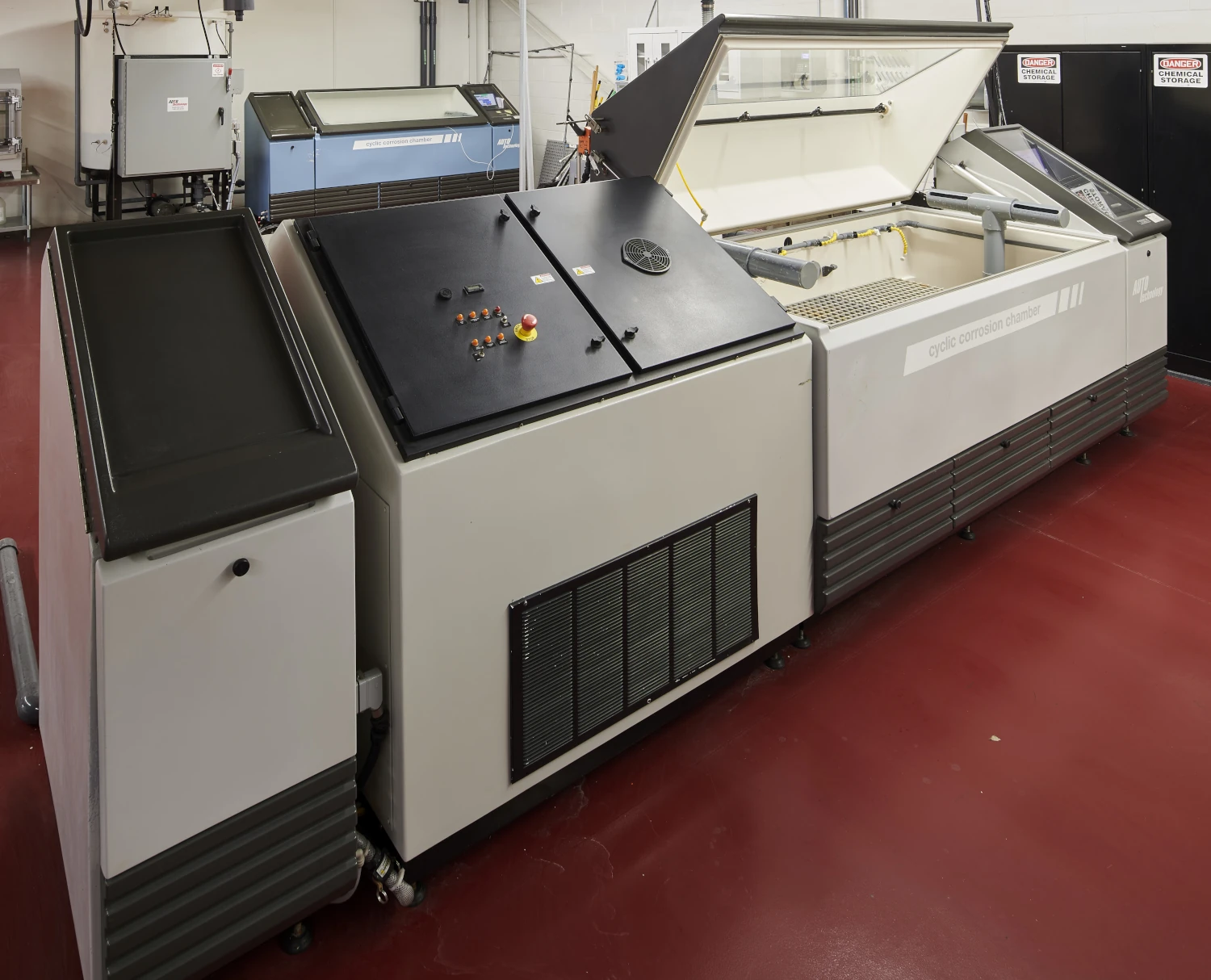
The Auto Technology X Series Size 40 is a configurable combination corrosion chamber for VDA 233-102, SEP 1850, and ISO 11997-3 testing. The required configuration combines salt fog, programmed temperature and relative-humidity control, and mechanical cooling for the shared Cycle C -15 °C low-temperature phase.
- Internal Volume: Approximately 39 ft³ (1106 L)
- Test Sequence: Seven-day sequence containing three Cycle A days, three Cycle B days, and one low-temperature Cycle C day
- Salt Application: Atomized salt fog calibrated to the specified collection and distribution requirements
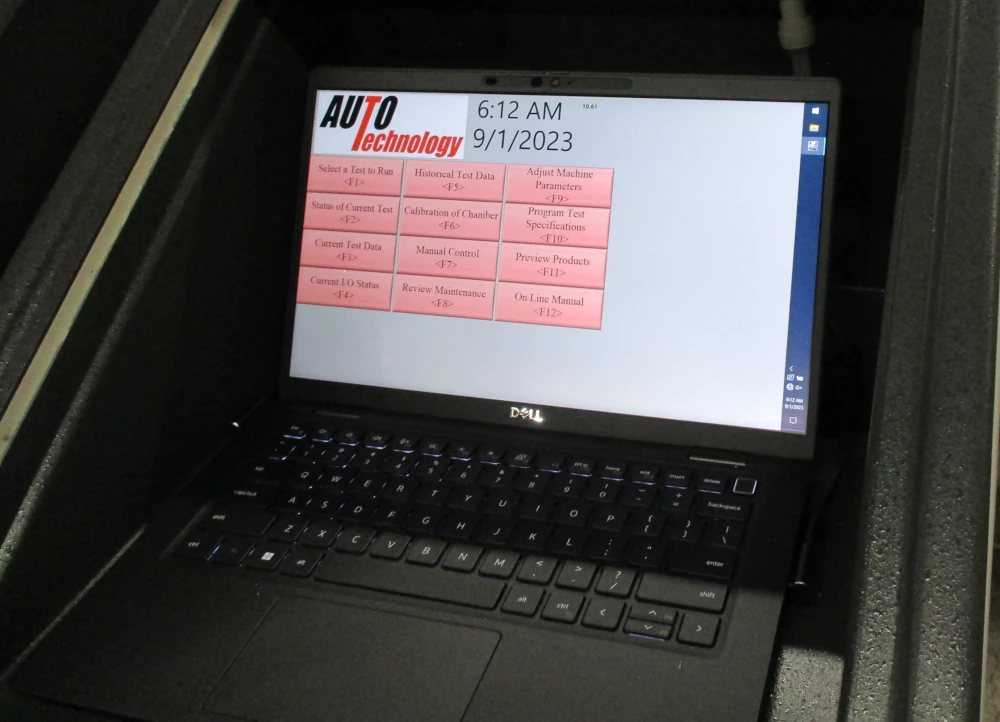
- Control System: PC-based cycle programming, monitoring, graphing, and data logging
VDA 233-102 and ISO 11997-3 are related methods but should not be treated as automatic contractual substitutes. Mechanical cooling, climate control, fog delivery, and pressure compensation must be specified and verified against the named standard and edition. Additional X Series sizes are available.
Description
VDA 233-102 & ISO 11997-3 Test Chamber
The Auto Technology X Series Size 40 can be configured for the temperature, relative-humidity, salt-fog, and low-temperature phases defined by VDA 233-102 and ISO 11997-3. VDA 233-102 was published with identical technical content as Stahl-Eisen-Prüfblatt 1850; ISO 11997-3 was subsequently developed on the basis of the VDA and SEP methods for international testing of automotive coating systems.
These related methods use the same basic seven-day sequence of Cycle A salt-fog days, Cycle B salt-free climate and evaluation days, and a Cycle C low-temperature day containing a -15 °C phase. Testing is normally conducted in one programmable combination chamber to avoid disturbing specimens between salt fog, controlled climate, and freezing conditions.
Specification note: ISO 11997-3 is based on VDA 233-102 and SEP 1850, but the publications should not be treated as automatic contractual substitutes. Confirm the exact standard, adoption, edition, specimen preparation, and reporting requirements named by the customer.
Configuration requirement: VDA 233-102 and ISO 11997-3 capability is not standard on every X Series chamber. The ordered system must include mechanical cooling, full temperature and RH control, calibrated salt-fog generation, and chamber pressure equalization appropriate for the required cycle.
X Series Size 40 Specifications
| Internal volume | 39 ft³ / 1106 L |
|---|---|
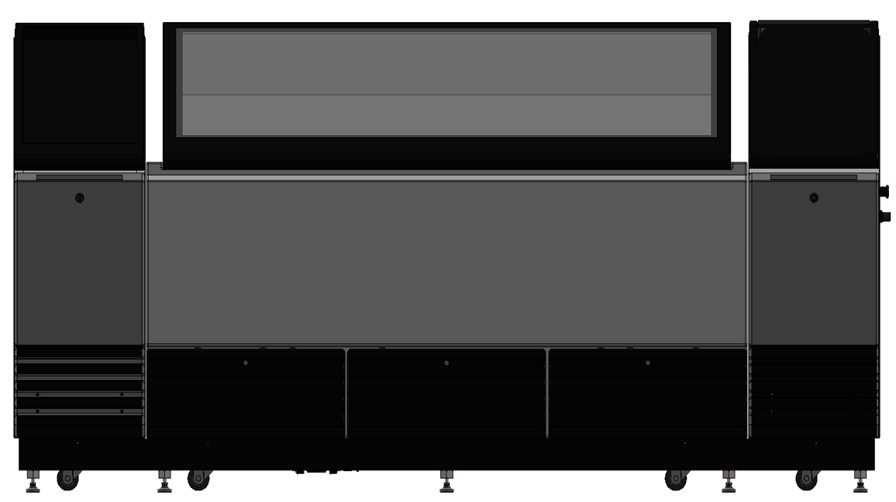
| Internal dimensions | 75 × 36 × 25 in / 191 × 92 × 64 cm |
| Base external dimensions | 120 × 50 in / 305 × 127 cm |
| Control platform | PC-based programmable controls |
VDA 233-102 and ISO 11997-3 Chamber Requirements
| Requirement | Size 40 configuration |
|---|---|
| Continuous temperature and RH programming | Advanced Climate Control with PC-based sequencing |
| Salt-fog exposure | Atomizer and fog-dispersion system calibrated for the specified collection rate |
| Cycle C freezing phase at -15 °C | Mechanical cooling sized for the Size 40 chamber and specimen load |
| Temperature control at defined setpoints | Final system verified against the temperature tolerances in the specified standard and edition |
| Relative-humidity control at defined setpoints | Final system verified against the RH tolerances in the specified standard and edition |
| Chamber pressure equalization | Chamber venting and pressure-equalization provisions accommodate pressure changes during salt-fog operation and rapid heating and cooling |
| Temperature and RH records | PC-based monitoring, graphing, and data logging |
Seven-Day Test Sequence
VDA 233-102 and ISO 11997-3 use a seven-day sequence containing three Cycle A days, three Cycle B days, and one Cycle C day. VDA 233-102 identifies six complete cycles, or six weeks, as a typical duration unless another exposure period is specified. The required duration must follow the applicable test specification or customer requirement.
| Cycle | Frequency | Function and exposure |
|---|---|---|
| Cycle A | Three times | Salt-loading day: 24-hour climate cycle with a three-hour salt-fog phase using 1% NaCl solution |
| Cycle B | Three times | Salt-free climate and evaluation day: 24-hour climate cycle containing the defined specimen-assessment period |
| Cycle C | One time | Low-temperature day: 24-hour climate cycle containing a five-hour phase at -15 °C without salt spray |
The chamber program must follow the temperature and RH ramps in the specified publication. The salt-fog phase cannot be interrupted, and chamber opening is limited to the defined Cycle B evaluation period. Relative humidity is not controlled during the sub-zero portion of Cycle C.
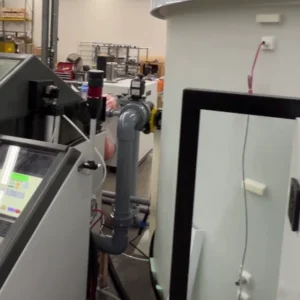
PC Controls and Mechanical Cooling
Salt-Fog Requirements
The VDA and ISO methods use atomized salt fog during Cycle A. The nozzle jet cannot be directed at the specimens, and the usable exposure zone must be outside the direct spray jet while maintaining uniform fog distribution.
- Collection rate: 3.0 ± 1.0 mL/h per approximately 80 cm² collector
- Verification period: At least three hours of salt-fog operation in an empty chamber
- Collector placement: At least two representative positions within the usable exposure zone
- Collector target: At least one collector per 4 m² of test area
- Solution disposal: Previously sprayed solution cannot be returned to the supply reservoir
<h
Test Solution
| Sodium chloride | 1% by weight; 10 ± 1 g/L |
|---|---|
| Water | Distilled or deionized water with maximum conductivity of 20 µS/cm at 25 ± 2 °C |
| Collected concentration | 10 ± 1 g/L |
| pH | 6.5 to 7.1; verify preparation and adjustment requirements in the specified publication |
| Fog-system air pressure | Approximately 70 to 180 kPa overpressure |
Specimen Placement and Chamber Verification
- Position panels preferably 65° to 75° from horizontal with the evaluated surface facing upward.
- Prevent specimens from touching or shielding one another from the fog exposure.
- Prevent condensate from the chamber cover or walls from dripping onto specimens.
- Monitor temperature and relative humidity with recorded chamber data.
- Verify fog collection and distribution within the usable exposure area.
- The VDA and ISO publications identify an average mass-loss range of 900 ± 220 g/m² after three cycles using at least three mass-loss specimens.
Additional X Series Sizes
Size 20, 30, 90, and 110 X Series chambers are also available. Chamber selection depends on specimen dimensions, loading density, usable fog-exposure area, refrigeration capacity, and required transition performance.
| Size | Internal volume | Internal dimensions |
|---|---|---|
| 20 | 20 ft³ / 594 L | 50 × 29 × 25 in |
| 30 | 30 ft³ / 891 L | 75 × 29 × 25 in |
| 40 | 39 ft³ / 1106 L | 75 × 36 × 25 in |
| 90 | 90 ft³ / 2550 L | 76 × 45 × 45 in |
| 110 | 112 ft³ / 3194 L | 89 × 73 × 30 in |
Specify whether the chamber will be used for VDA 233-102, SEP 1850, ISO 11997-3, or an applicable national adoption such as DIN EN ISO 11997-3. Include the required edition, specimen dimensions, loading quantity, exposure duration, and facility conditions. Final fog distribution, temperature/RH performance, and loaded-chamber cooling transitions must be verified against the named requirement.
Related products
-

SAE J2334 Immersion Cyclic Corrosion Test Chamber – X Series Size 40
Contact Us to Configure Your Chamber -
MIL-STD-810H Method 507.6 Humidity Chamber – X Series Size 20
Contact Us to Configure Your Chamber -
ASTM G85 Cyclic Salt Fog Chamber – C Series Size 20
Contact Us to Configure Your Chamber -
Auto Technology X Series Size 20 Cyclic Corrosion Chamber – 700020-A
Contact Us to Configure Your Chamber