
C SERIES CORROSION TEST & SALT SPRAY CHAMBER

The Auto Technology C Series salt spray chamber runs NSS, AASS, and CASS salt spray tests, humidity exposures, and selected ASTM G85 methods for coated panels, plated parts, and industrial components. Choose Size 20 or Size 40, then select the monitoring, exhaust, and specimen supports your test program requires.
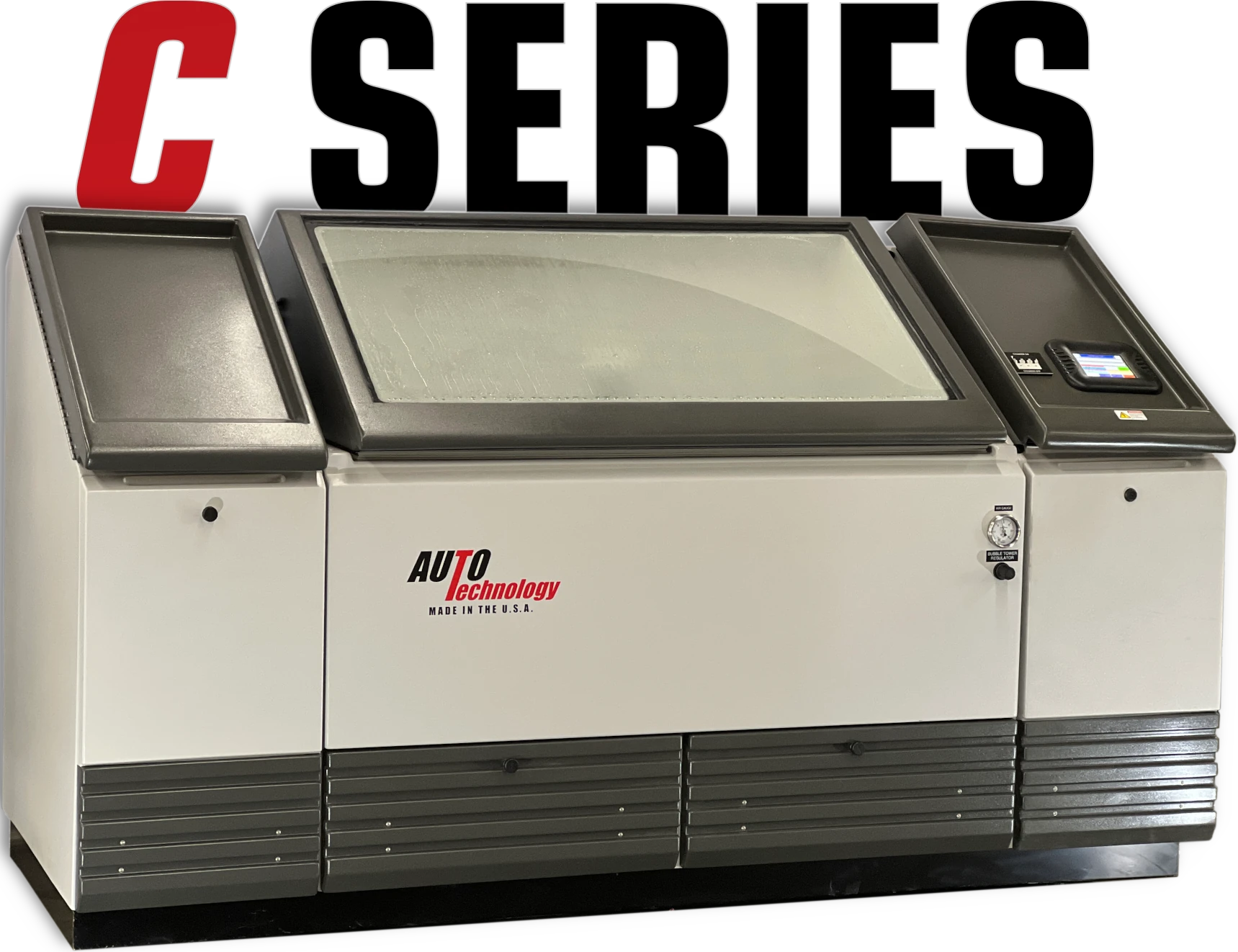
- NSS / AASS / CASS
ASTM B117 & ISO 9227 - ASTM G85 A1 / A2 / A3 / A5
- Salt fog, humidity & cyclic operation
- Size 20 & Size 40
Cycles the C Series Can Run
The C Series supports continuous salt fog, cyclic corrosion, and humidity exposures. Chamber setup and test solution depend on the standard and revision.
NSS — Neutral Salt Spray
ASTM B117 / ISO 9227 NSS. Continuous neutral salt spray for metals, coatings, and plated finishes.
ASTM B117 laboratory testingAASS — Acetic Acid Salt Spray
ISO 9227 AASS. Acetic-acid salt spray testing under ISO 9227 AASS.
ISO 9227 AASS test requirementsCASS — Copper-Accelerated Acetic Acid Salt Spray
ISO 9227 CASS. Copper-accelerated acetic-acid salt spray testing.
Discuss a dedicated CASS chamber with ATC. Residual copper contamination can affect later NSS testing.
ISO 9227 CASS test requirementsASTM G85 Annex A1
Acetic acid salt fog.
ASTM G85 A1 testing servicesASTM G85 Annex A2
Cyclic acidified salt fog.
ASTM G85 A2 testing servicesASTM G85 Annex A3
Seawater acidified cyclic testing.
ASTM G85 A3 testing servicesASTM G85 Annex A5 — Prohesion (Standard)
A5 fog/dry capability is standard. The operator manually changes the valve positions so unhumidified atomizing air bypasses the bubble tower during fogging. The chamber alternates dilute electrolyte fog and dry-off.
How to program ASTM G85 A5 on the C Series touchscreen
ASTM G85 A5 testing servicesWater Fog & Humidity
ASTM D1735 water fog and ASTM D2247 high-humidity testing, with the setup and humidity measurement required by the method.
ASTM D1735 / D2247 laboratory capabilitiesMilitary Salt Atmosphere
MIL-STD-810 Method 509.7 and MIL-STD-202 Method 101.
ATC salt-atmosphere laboratory capabilitiesAdditional Salt Spray Methods
IEC 60068-2-11, JIS Z 2371, and GB/T 10125.
Salt spray laboratory capabilitiesCommon Applications
Automotive
Coated panels, plated fasteners, brackets, trim, and supplier quality-control samples.
ASTM B117 testing for automotive partsCoatings & Paint
Paint and powder-coating comparisons, pretreatment evaluation, and formulation testing.
ASTM G85 testing for coatingsPlating & Finishing
Zinc, nickel, chrome, conversion coatings, and passivated parts.
ASTM B117 testing for plated finishesAerospace & Defense
Finishes, hardware, and metallic components tested to purchasing or military specifications.
Laboratory testing for aerospace and defenseElectronics
Connectors, terminals, enclosures, and hardware where salt atmosphere testing is specified.
Salt spray testing for connectors and enclosuresIndustrial Components
Fabricated parts, fasteners, outdoor equipment, and protective finishes.
ASTM B117 testing for industrial componentsFor apparatus and operating requirements, see the ASTM B117 salt spray chamber requirements guide.
Choose Your Chamber Size
Choose by part dimensions, quantity, and the racks or supports you need. Allow room around the chamber for utilities, exhaust, and service access.
Size 20
594 L Usable test volume (approx.)
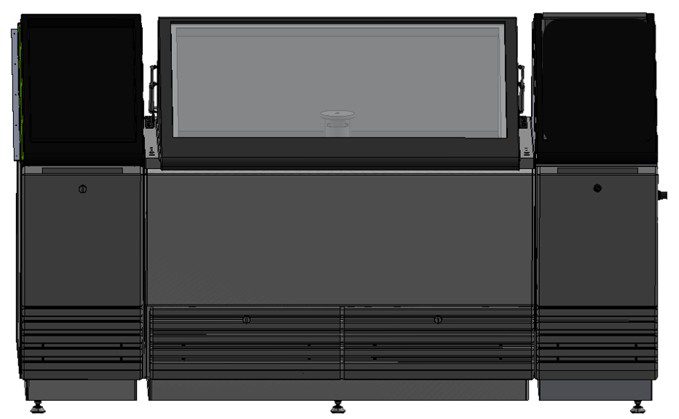
- Panel capacity
- Approximately 160 small, flat panels using 4 racks
- Chamber footprint
- 95 × 43 in
- Fog dispersion towers
- One
Size 40
1,106 L Usable test volume (approx.)
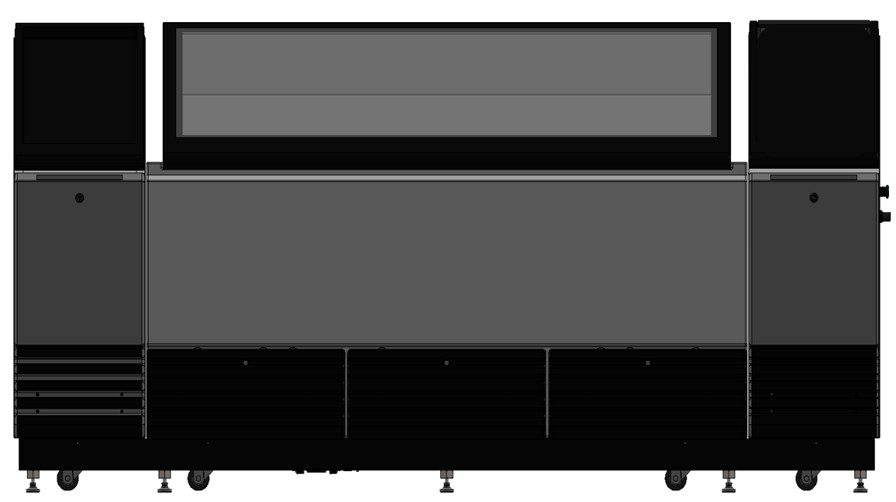
- Panel capacity
- Approximately 360 small, flat panels using 9 rack positions
- Chamber footprint
- 120 × 43 in
- Fog dispersion towers
- Two
Size 20 and Size 40 are nominal size designations. Panel capacities assume optional slotted trays and small, flat specimens. These estimates use the 40-slot test panel tray. Larger panels and close spacing can cause shadowing and reduce the practical load. Custom fixtures are available for larger components and assemblies. Confirm the final footprint against the quoted configuration and drawings.
Usable Test Space
ATC bases chamber capacity on the specimen exposure area below the lid. The sloped lid provides clearance and directs condensate away from samples; its volume is excluded from the stated test space.
Send your largest part dimensions and the number of specimens per test. We can check the loading arrangement and recommend racks or shelves.

Compare Usable Chamber Volume
Compare the volume below the lid when evaluating specimen capacity. ATC lists 594 L for Size 20 and 1,106 L for Size 40. The leading competitor lists approximately 500 L and 900 L excluding the lid for its 600 and 1100 models.
| Chamber | Test Volume Excluding Lid | Solution Reservoir |
|---|---|---|
| ATC C Series Size 20 | 594 L | 60 US gal |
| Q-FOG 600 | Approximately 500 L | Approximately 32 US gal |
| ATC C Series Size 40 | 1,106 L | 60 US gal |
| Q-FOG 1100 | Approximately 900 L | Approximately 32 US gal |
The leading competitor also lists approximately 600 L and 1,100 L when lid volume is included. Source: Leading competitor Specification Bulletin LF-8110.21. Volumes are approximate. Part dimensions, spacing, and racks determine how many specimens fit.
What Comes Standard
Fiberglass Cabinet
Molded, corrosion-resistant cabinet with a viewing lid.
Touchscreen Controller
6-inch color display for stored methods, programming, manual functions, and chamber status.
60-Gallon Reservoir
Built-in 60-gallon solution tank for fewer refills during extended tests.
Fog Generation
Venturi atomizer, bubble tower, and baffled fog dispersion system.
Heating & Humidity
Chamber heating and wet-bottom humidity capability. Exposure-zone temperature: ambient to 70°C; high-humidity operation: approximately 95–100% RH.
Lower Shelving
Standard lower-level shelving for specimen support.
Alarms & Shutdowns
Chamber alarms and protective shutdown functions.
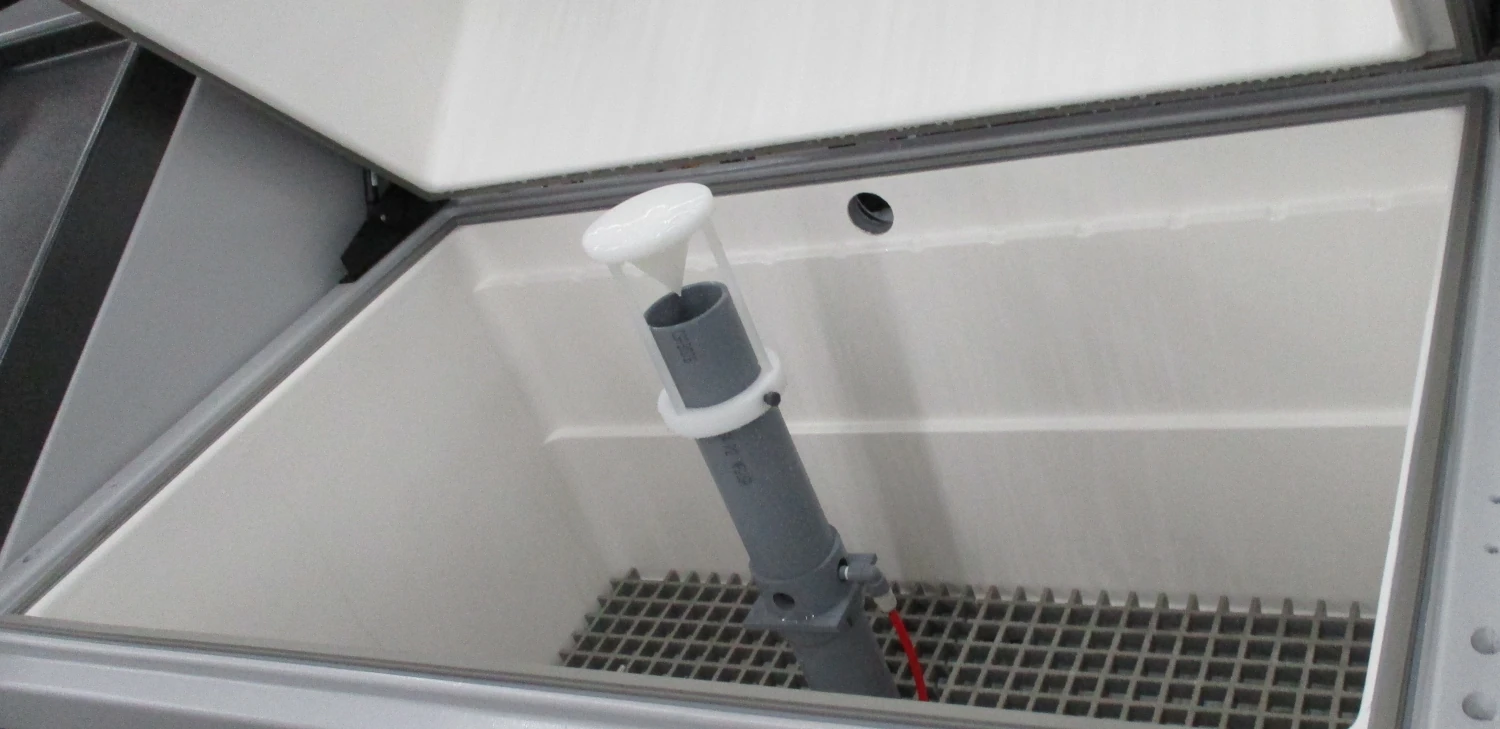
Racks & Specimen Supports
Lower shelving is included. Select optional support rods, slotted bars, panel racks, or mid-level shelves to suit your specimens and the required exposure angle.
Review sample-handling optionsField Upgrades
The C Series can be field-upgraded for additional cyclic tests. Available upgrades depend on the chamber’s existing controls and hardware. Include any future test requirements when requesting a quote.
Options & Accessories
Include the options you need in your quote request.
Measurement & Documentation
Solution Preparation
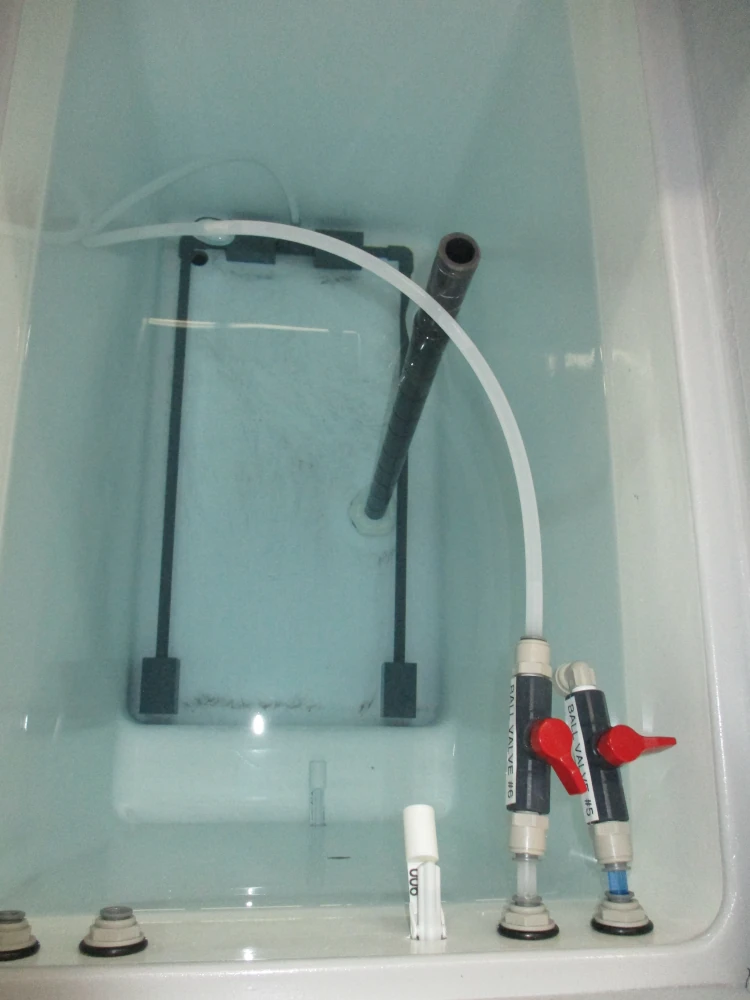
Mixing Tank Convenience Package
Part 700825
Details
The standard reservoir takes separately prepared solution. This optional package adds manual water-fill and mixing-air valves, an air sparger, and an overflow connection so you can prepare solution at the chamber.
View the C Series solution mixing guideExhaust
Select the exhaust arrangement for your facility before ordering.
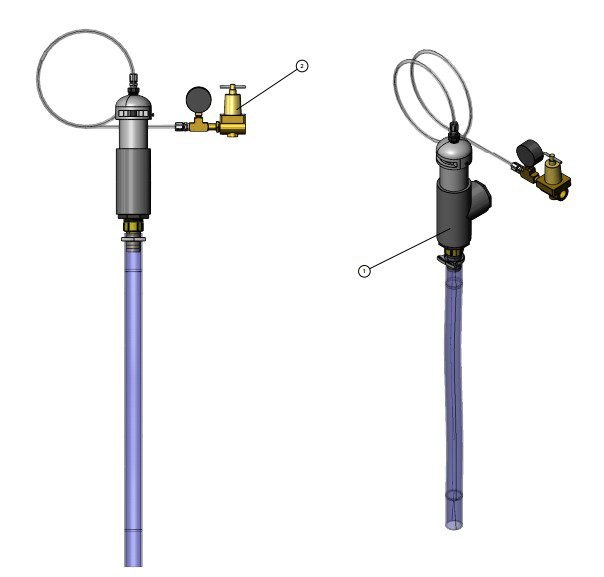
Standard Scrubber
Part C700200
Details
Non-recirculating scrubber using a continuous supply of pressurized water discharged to drain. Discuss this option when direct exterior venting is impractical.
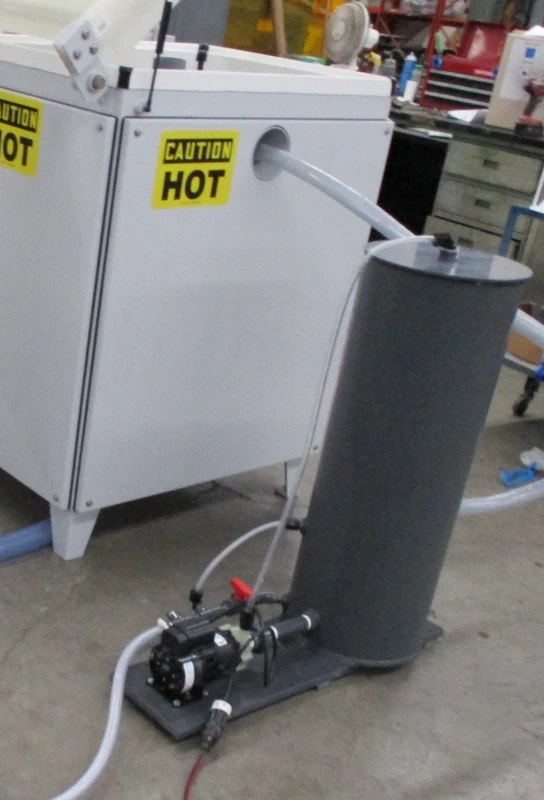
Recirculating Scrubber
Part C260315
Details
Jet exhaust system that reuses scrubber water, reducing water consumption compared with a flow-through scrubber.
Power Exhaust Vent Kit
Part 701000

Details
Exterior exhaust runs longer than 15 ft require additional exhaust equipment or an approved engineered arrangement. The 701000 kit uses a fan and PVC venturi to move exhaust outdoors. An adjustable air bleed helps prevent a partial vacuum in the chamber.
Sample Handling & Specimen Supports
Choose supports by chamber size, specimen weight, and required exposure angle.
Support Angles
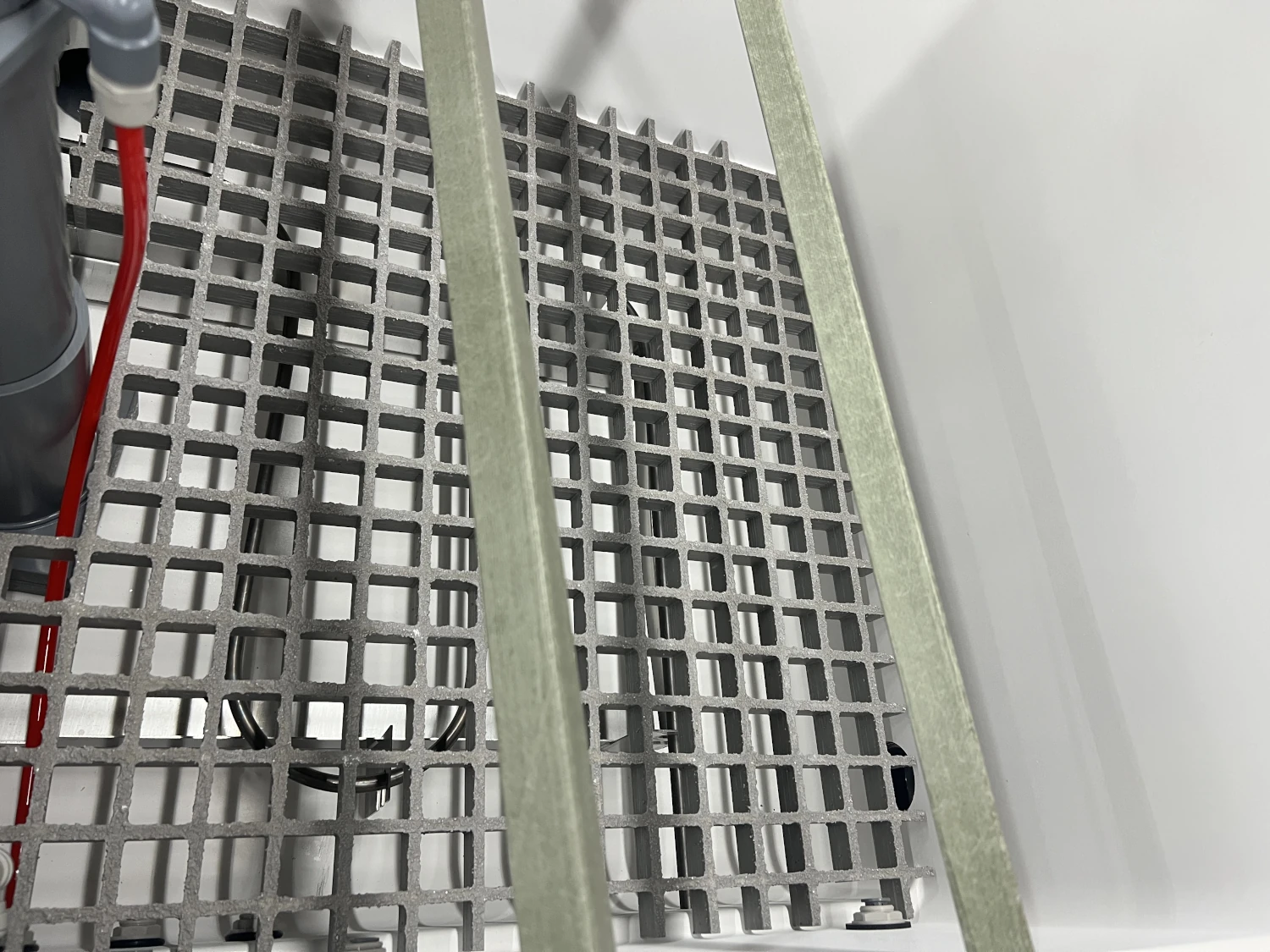
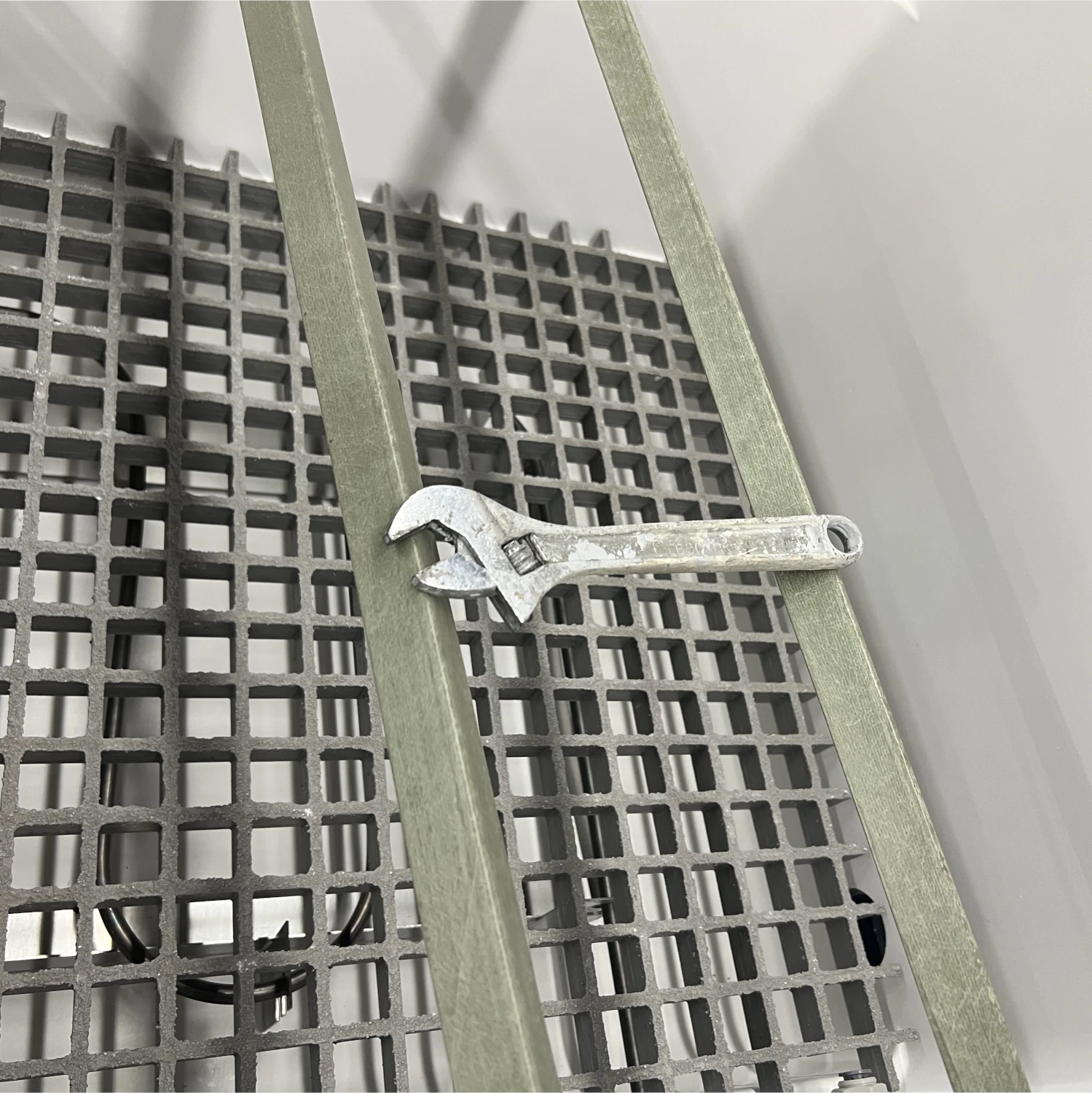
Support panel racks, fog collectors, and other accessories.
Support Rods
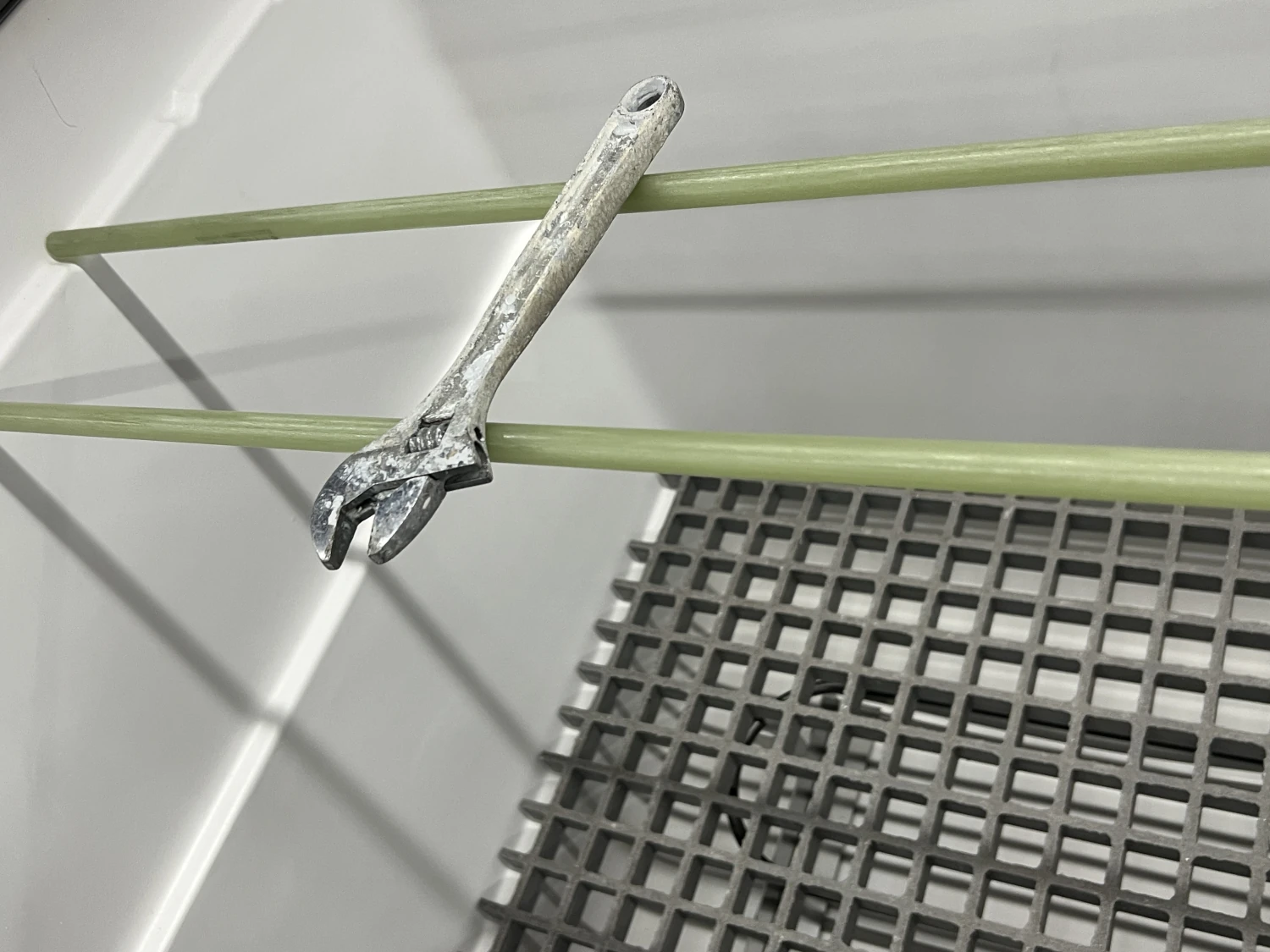
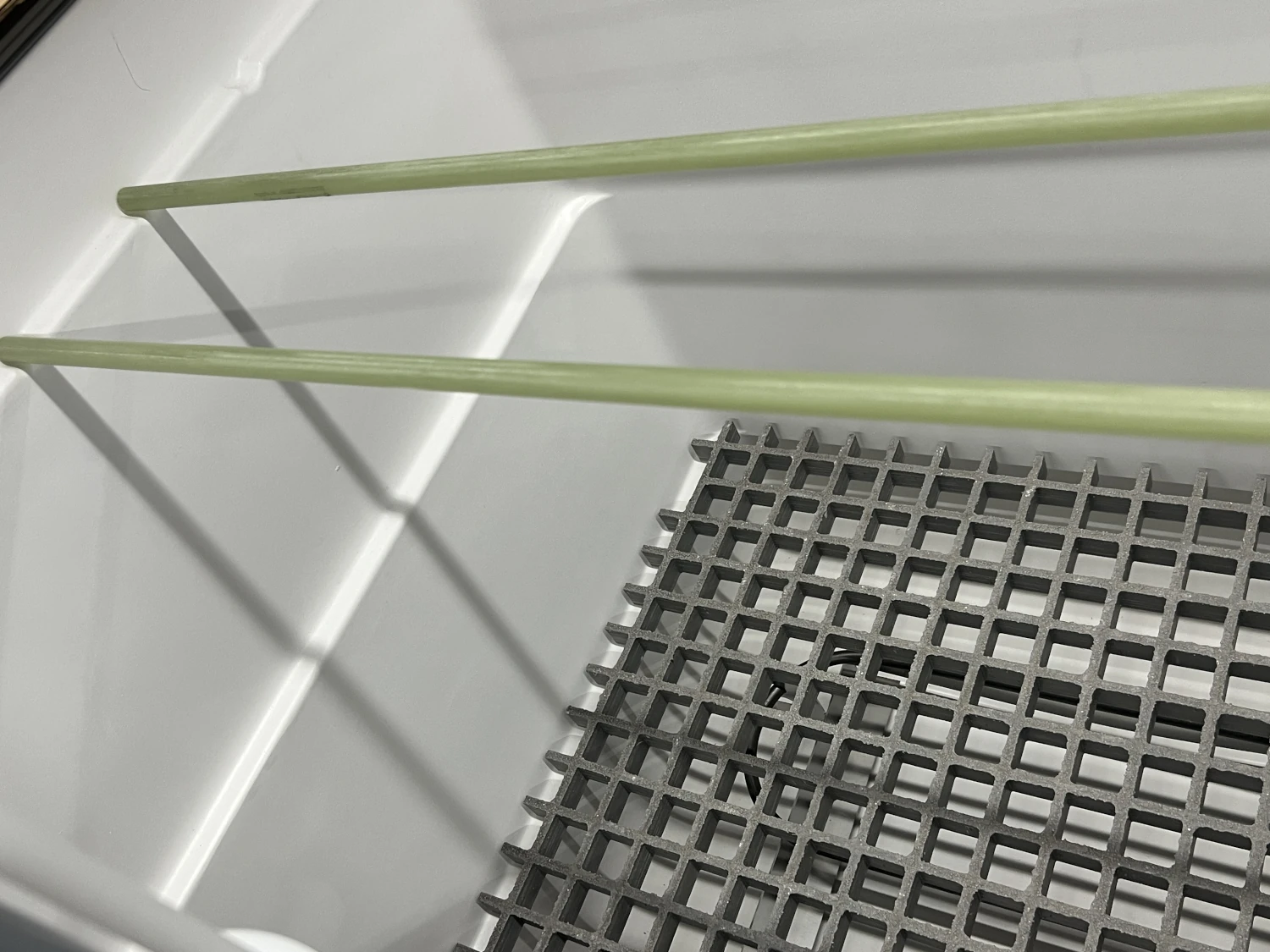
Suspend parts from ½-in-diameter rods.
Slotted Bars
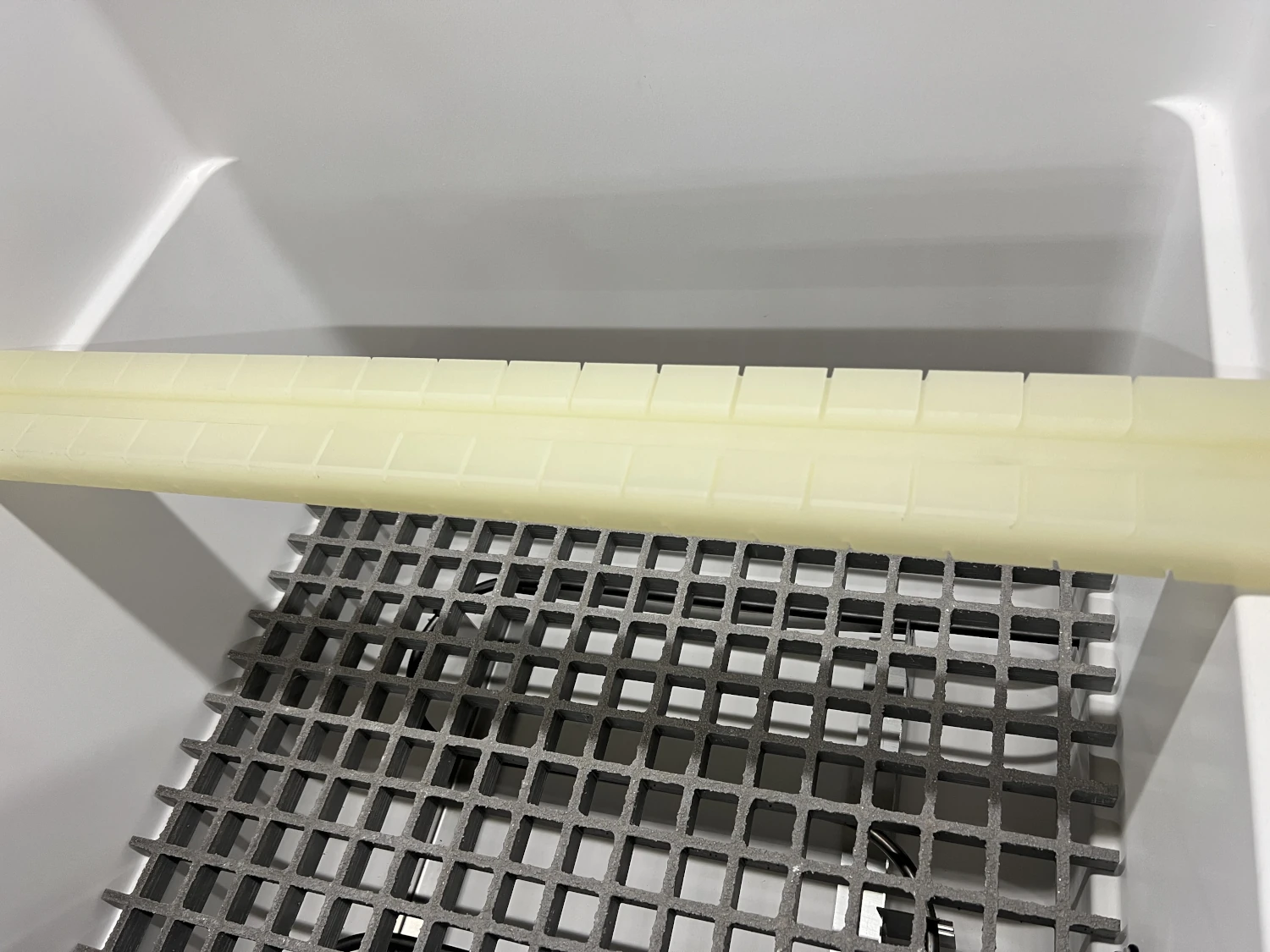
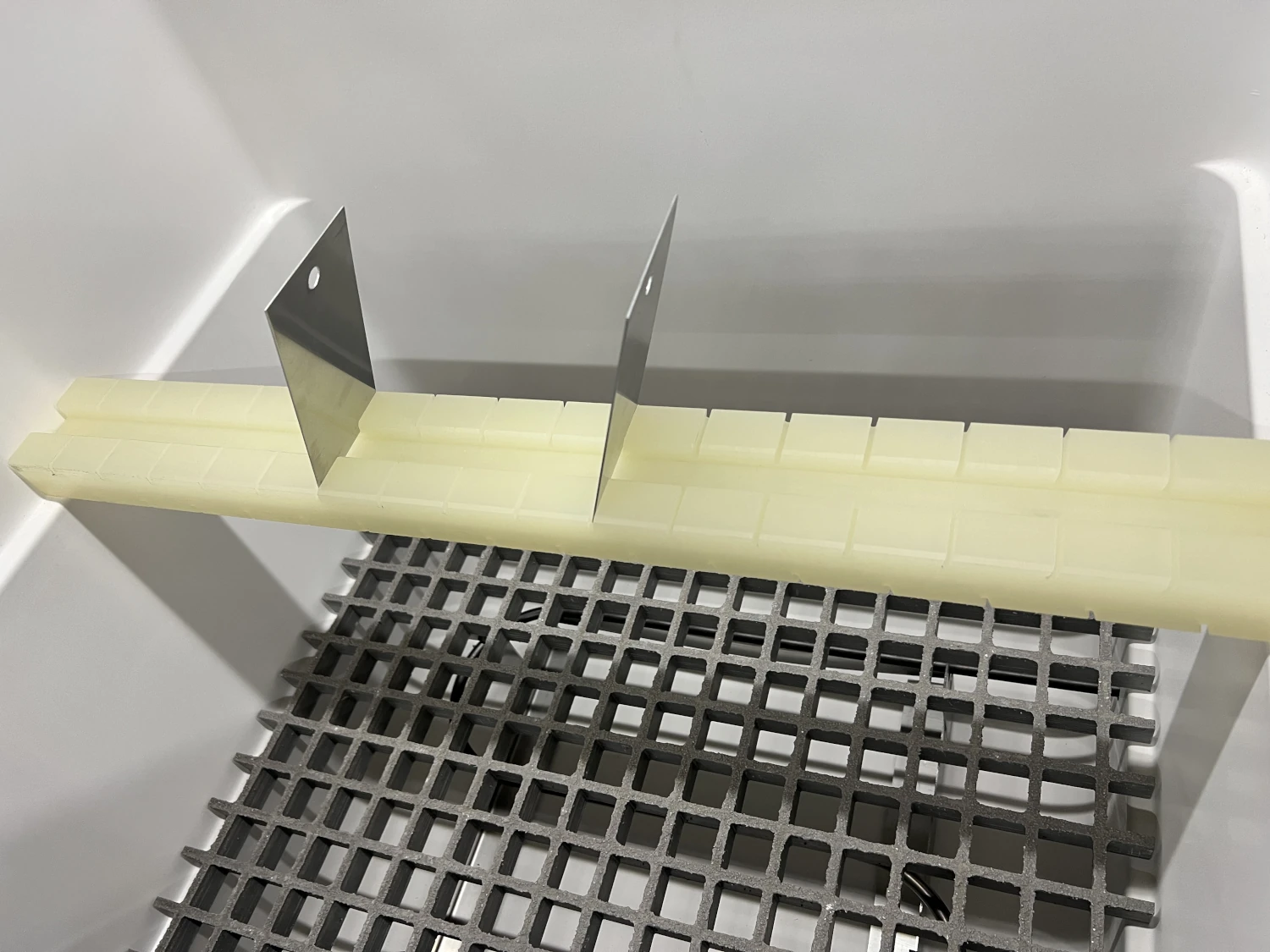
Hold panels at 15° or 6° from vertical.
The 15° bars fit compatible 3 × 6 in and 4 × 12 in panels. The 6° bars are polypropylene.
Panel Racks
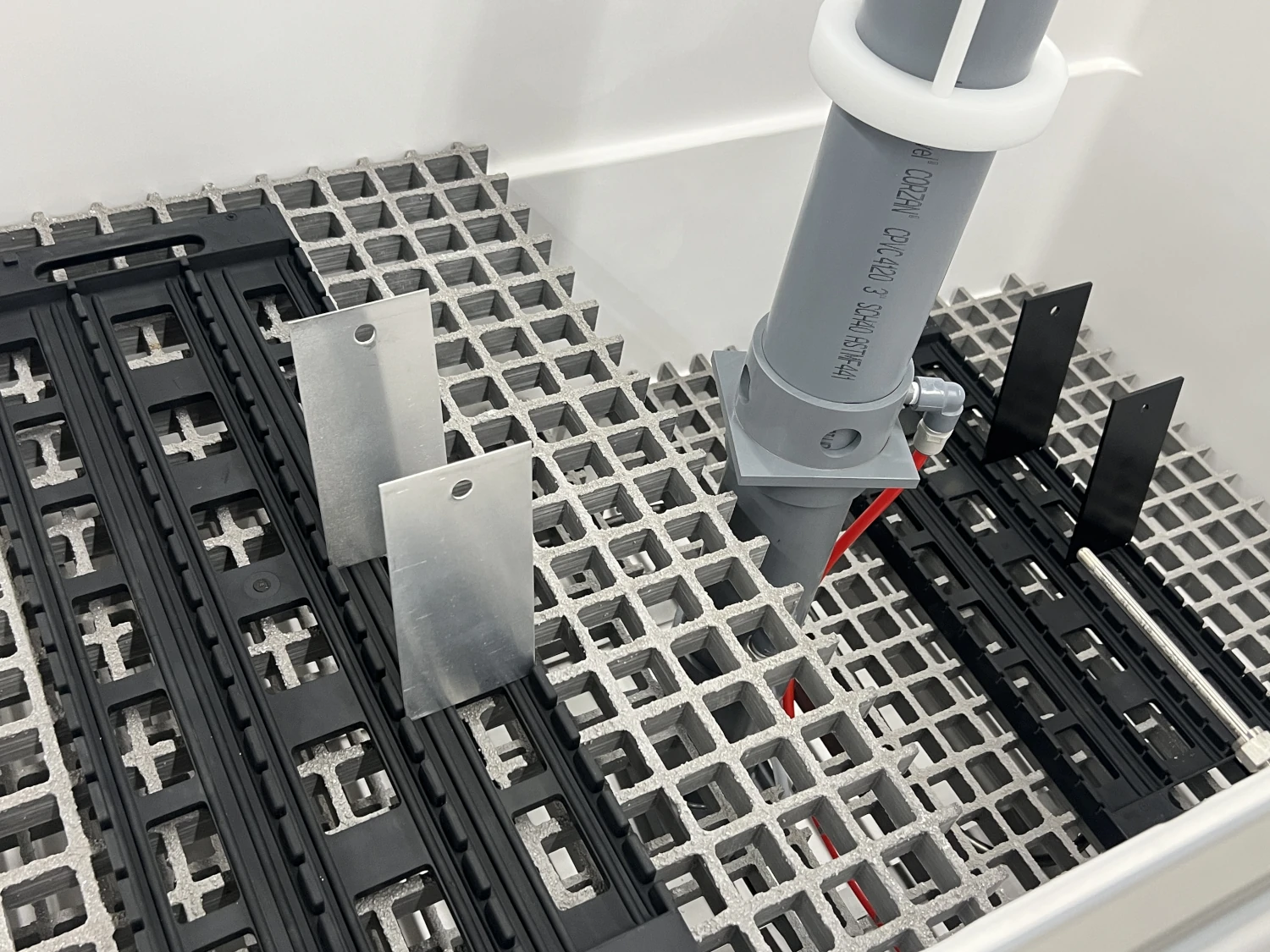
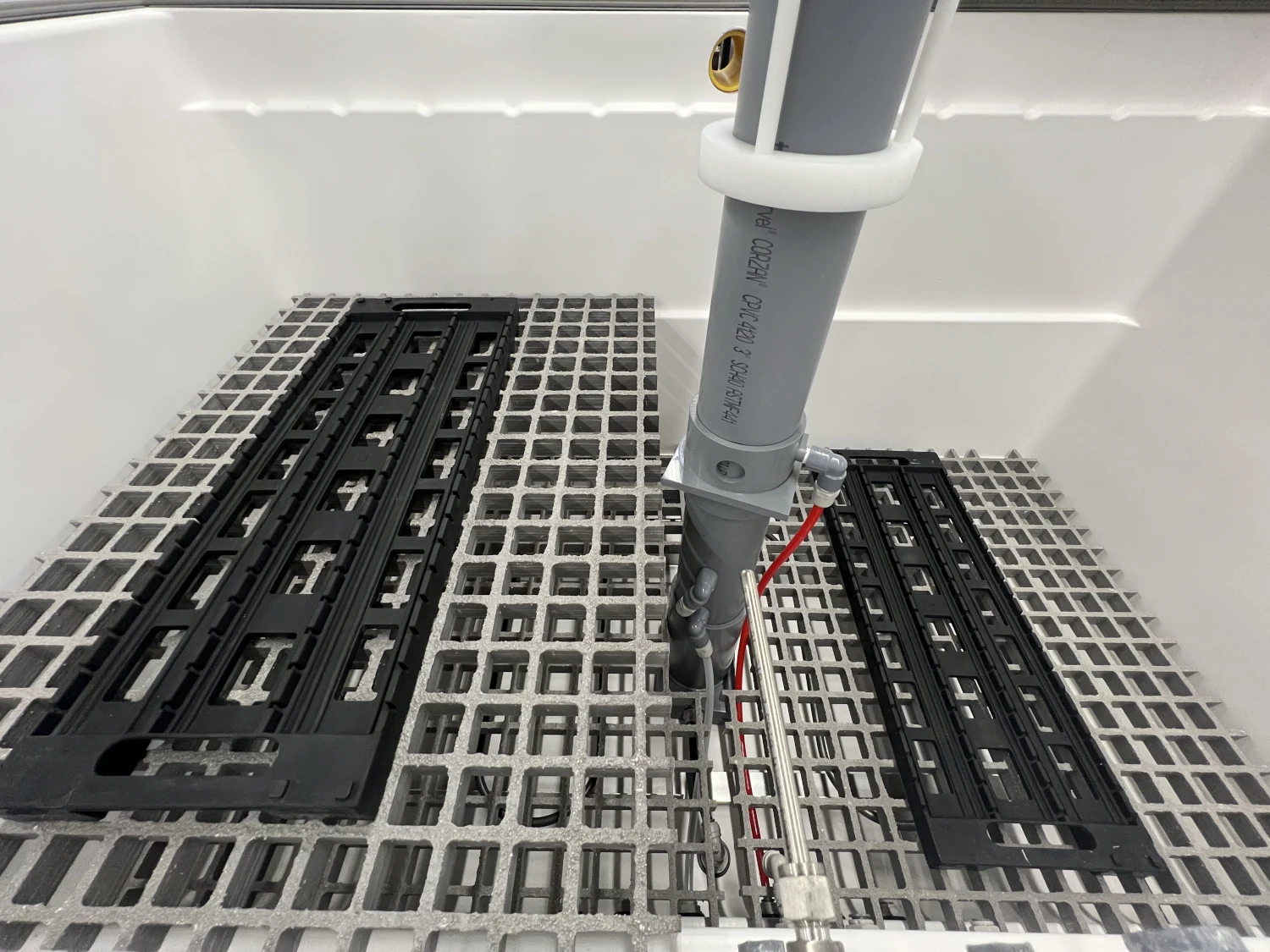
8.5 × 23 in tray with two rows of 20 slots.
Heavy-Duty Mid-Level Shelves
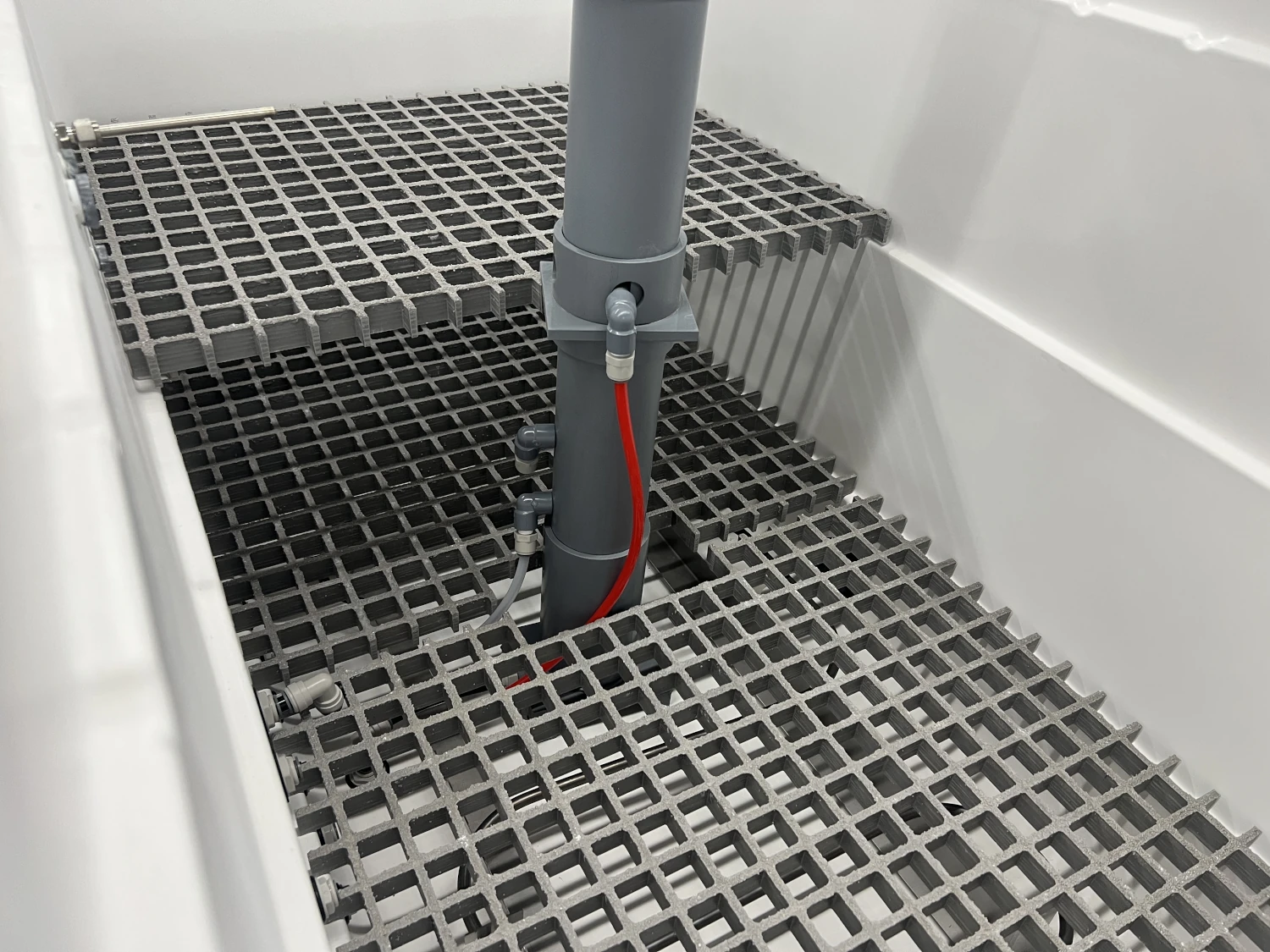
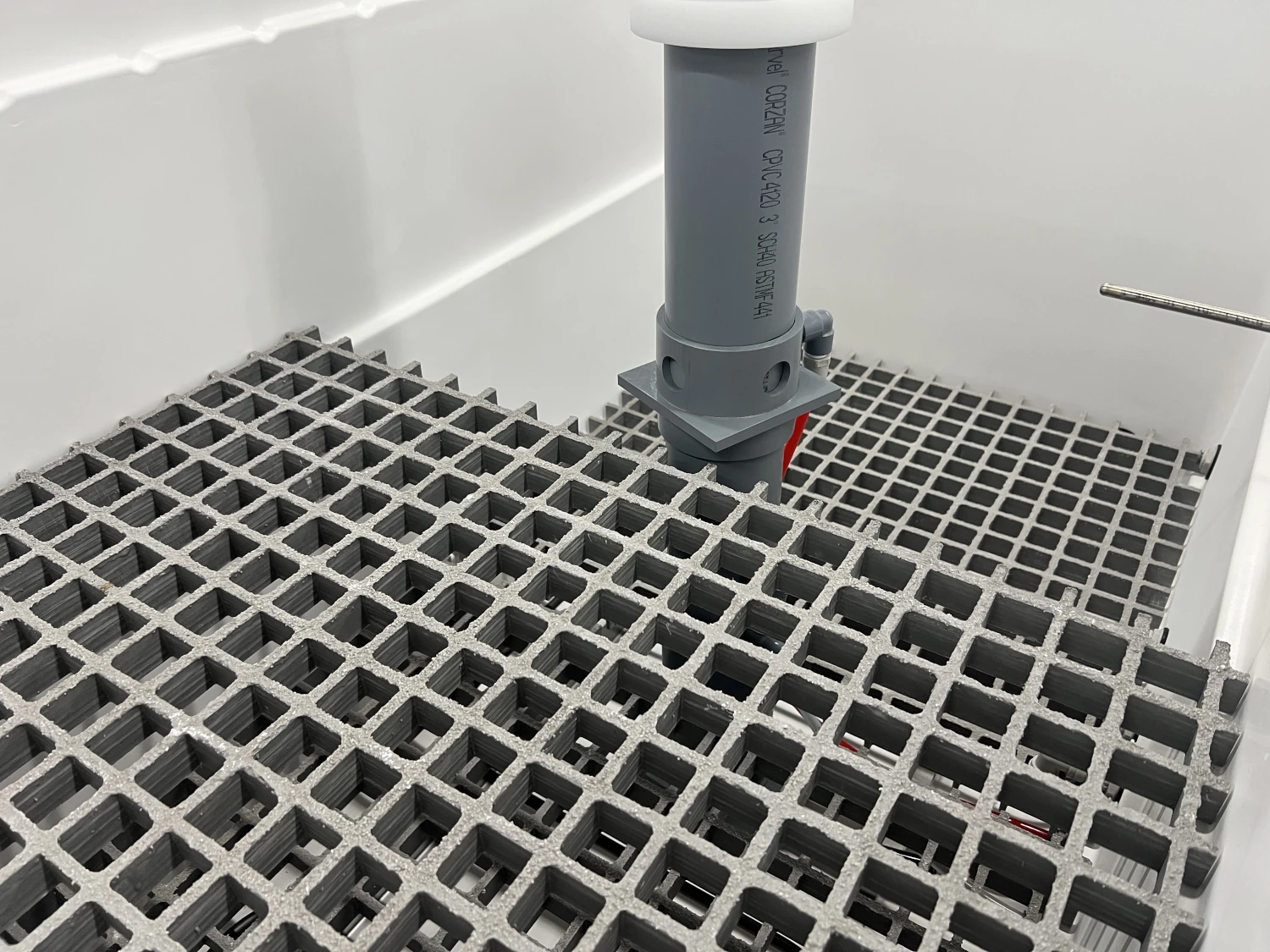
Composite mid-level shelves support parts and slotted bars. Place slotted polypropylene bars on heavy-duty shelves to reduce sagging.
- Size 20 · 700430Browse Store
- Size 40 · 700432
Test Supplies & Start-Up
ASTM B117 Start-Up Kit
Part 701500

Set up fog collection and check the concentration of a freshly mixed batch with one kit. Includes 100 lb of salt, four collection funnels, four graduated cylinders, a specific-gravity hydrometer, and a salimeter.
View the ASTM B117 Start-Up KitSalinity Refractometer
Part C280225
Check collected fog solution with just 2–3 drops, even when you have too little liquid to float a hydrometer. The handheld refractometer compensates for temperature from 10 to 30 °C after the sample and prism stabilize. For ASTM B117 reporting, verify how the instrument scale corresponds to percent NaCl by mass.


Premixed Test Solutions
Order the solution for your test method in a 55-gallon drum. Premixed solution saves the work of weighing ingredients, measuring water, and mixing each batch. Continue to check pH, concentration, and collected fog as required by your method.
- ASTM B117 / ISO 9227 NSS 5% sodium chloride · C173300
- ASTM G85 Annex A1 Acetic acid salt solution · C173330
- ASTM G85 Annex A2 Acidified sodium chloride · C173332
- ASTM G85 Annex A3 Acidified synthetic seawater · C173331
- ASTM G85 Annex A5 / ASTM D5894 Dilute electrolyte · C173334
- ASTM B368 CASS Copper-accelerated acetic acid salt solution · C173320
For other formulations, ask about solution availability.
Salt, DI water, and other supplies
| Part Number | Item | Description | Order |
|---|---|---|---|
| C173305 | ASTM Type IV DI Water | ASTM D1193 Type IV DI water, 55-gallon drum. | View product |
| C173273-C | Certified ASTM B117 Salt | Certified 99.9% sodium chloride for solution preparation. | View product |
| C264000 | pH Meter Kit | pH measurement kit for solution checks. | View product |
| 703100 | Installation Kit | Installation components for CCT / NC chambers. | View product |
Training, Maintenance & Proficiency Testing
Browse replacement parts and testing supplies
Installation Assistance & Service
ATC can help plan chamber placement and utilities, provide installation and startup assistance, and support the chamber with calibration, repairs, preventive maintenance, training, and replacement parts.
How the C Series Works
During conventional salt fog operation, compressed air and prepared solution meet at the atomizer. The fog then passes through a baffled tower before reaching the specimens.
- Compressed AirClean, dry air enters the chamber.
- Bubble TowerAir is heated and humidified.
- Venturi AtomizerConditioned air draws and atomizes solution.
- Dispersion TowerA baffle removes large droplets.
- Exposure ZoneFog surrounds the specimens at the set temperature.
This flow describes conventional salt fog. ASTM G85 A5 uses dry-air fogging with the bubble tower bypassed; setup depends on the selected test method.
Measuring Fog Collection
Use a funnel and graduated cylinder to measure the fallout volume at each collection point. Check salt concentration with a hydrometer or a suitable refractometer, and measure pH with a pH meter.
ASTM B117 startup kit · Salinity refractometer for small samples · Salt concentration measurement guide · ASTM B117 operating guide
Humidity Operation
For water fog, the chamber atomizes DI water. For condensing humidity, the wet bottom and submerged heater generate water vapor that condenses on specimen surfaces.
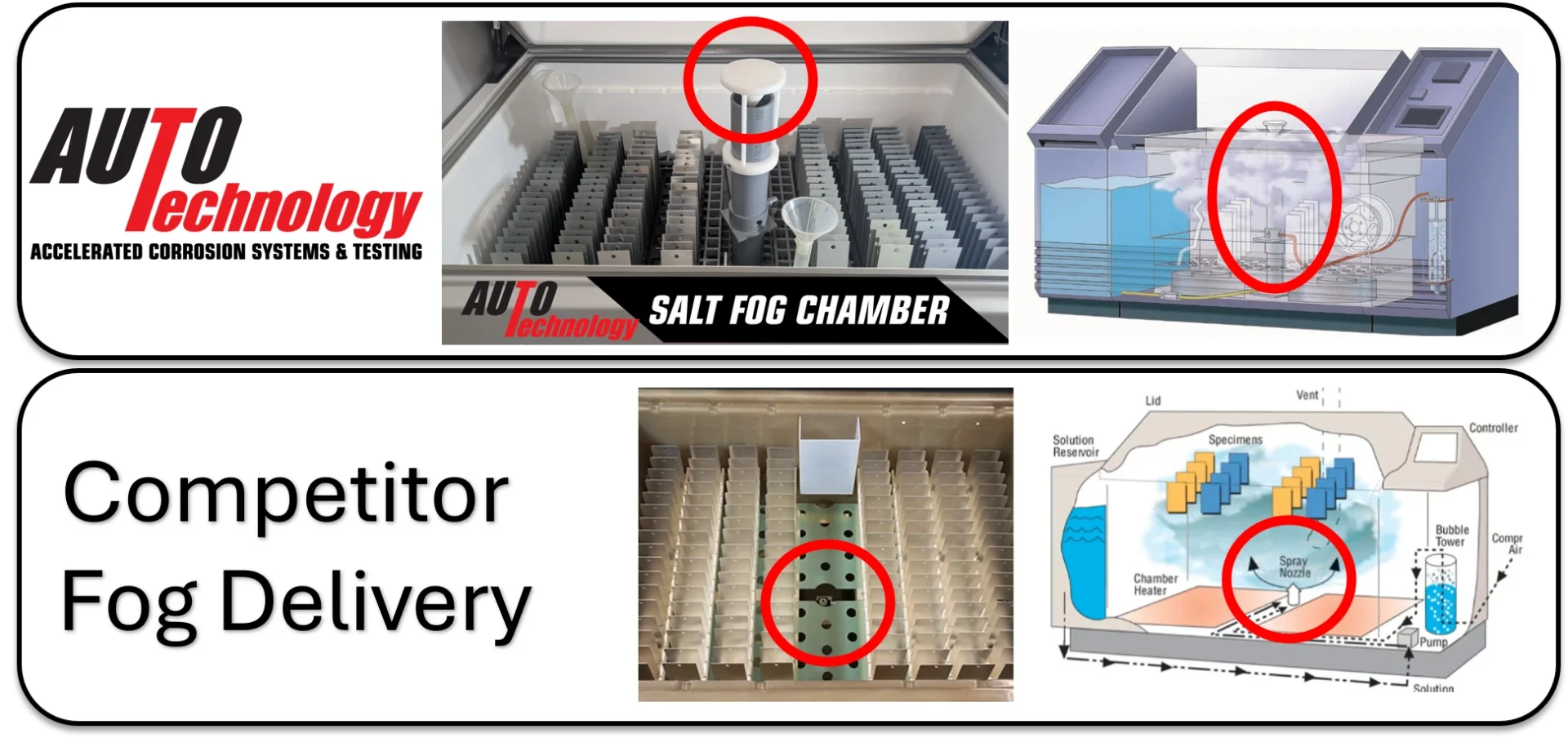
Fog Delivery & Specimen Clearance
The dispersion tower carries fog above the loading area, where the baffle helps remove large droplets before fog reaches the specimens. This arrangement keeps the atomization point away from test surfaces and provides clearance around the loading area. Check the drawing and proposed rack layout for large parts, tall panels, or assemblies.
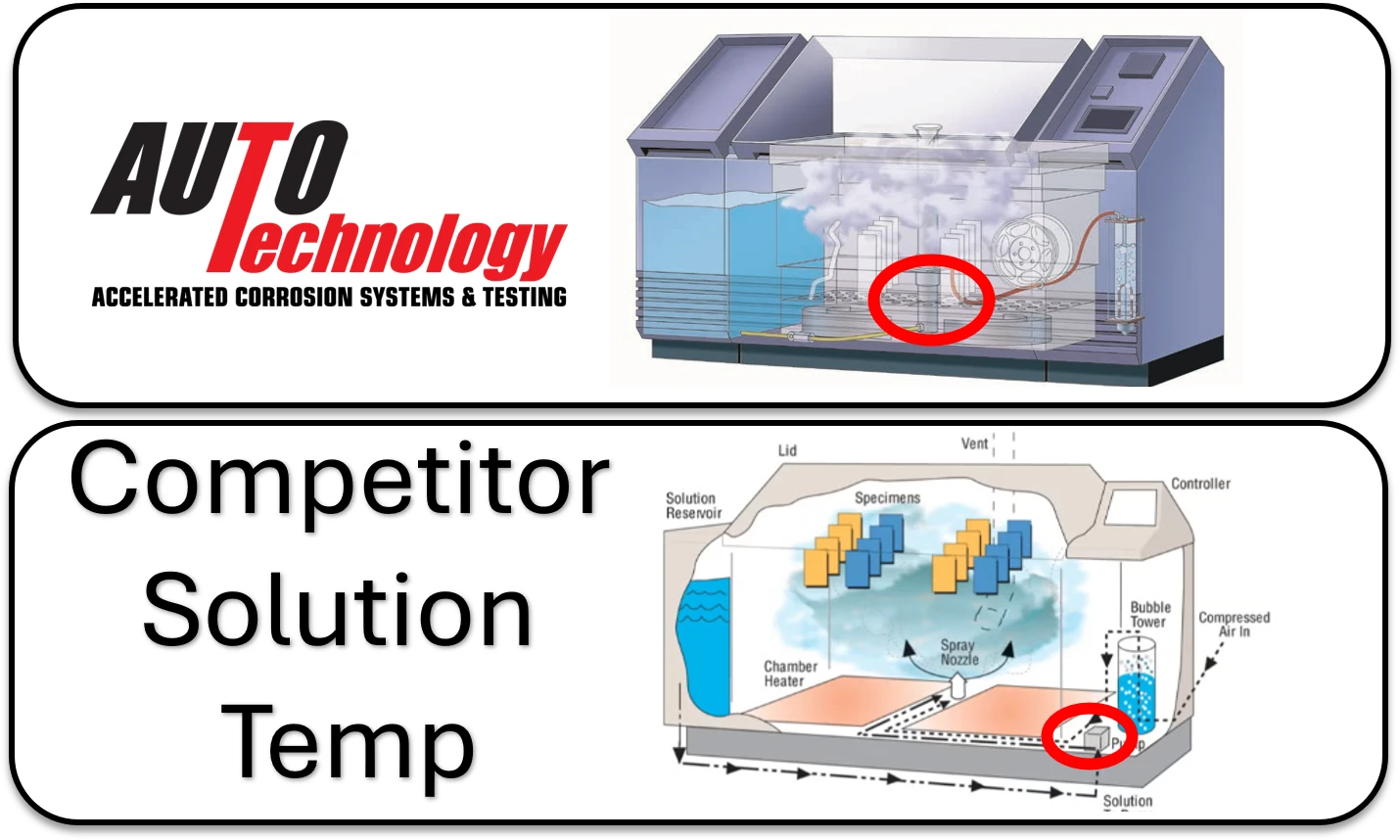
Solution Temperature Before Atomization
The reservoir sits within the heated chamber environment, so the stored solution approaches chamber temperature before it reaches the atomizer.
See the chamber volume and reservoir comparison for reservoir capacities.
C Series Touchscreen Controls
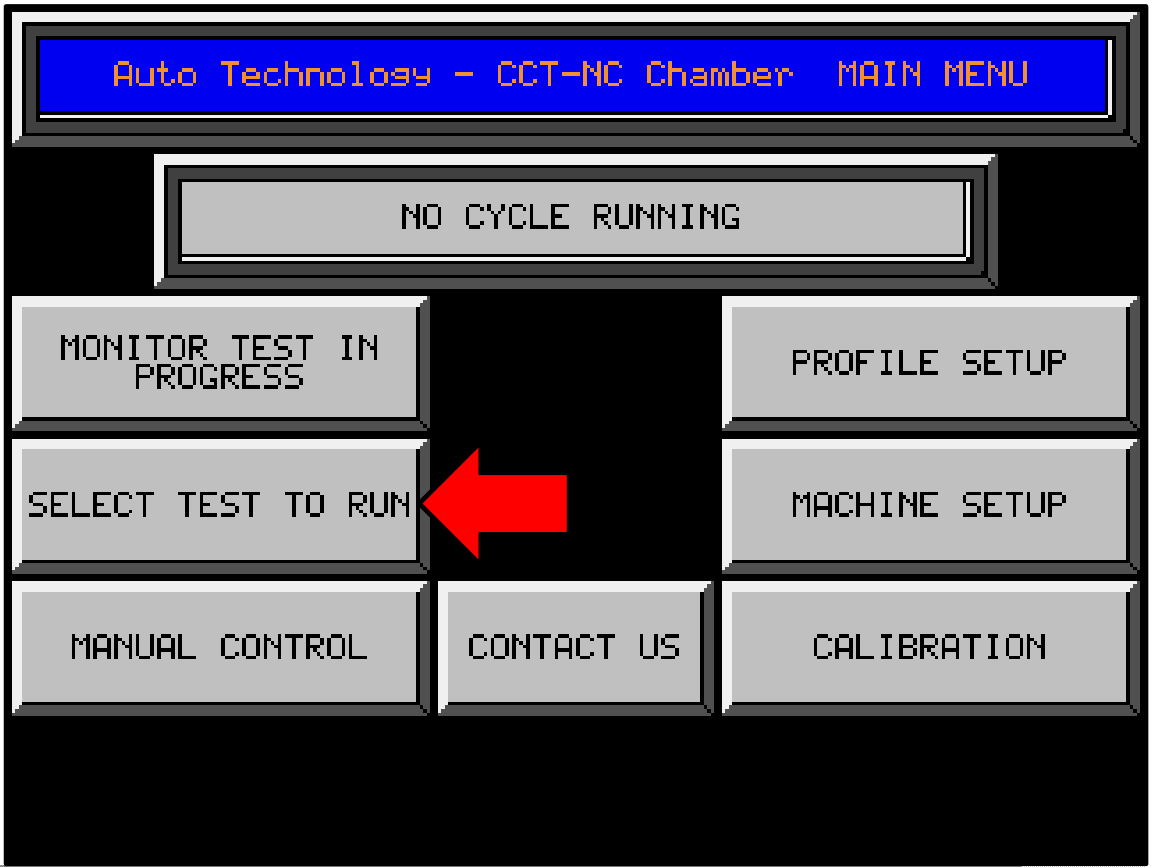
Operators use the touchscreen to select a method, start a test, and check chamber status.
- Preloaded test methods
- Custom programs and stored sequences
- Manual operation for setup and checks
- Live chamber status
- Alarm display
Need test records? Add the optional data-logging package for temperature records that can be transferred to a computer.
For bubble-tower pressure or RH-probe logging, see the options for an X Series cyclic corrosion chamber. C Series temperature logging is described in the data-logging FAQ.
Installation & Facility Requirements
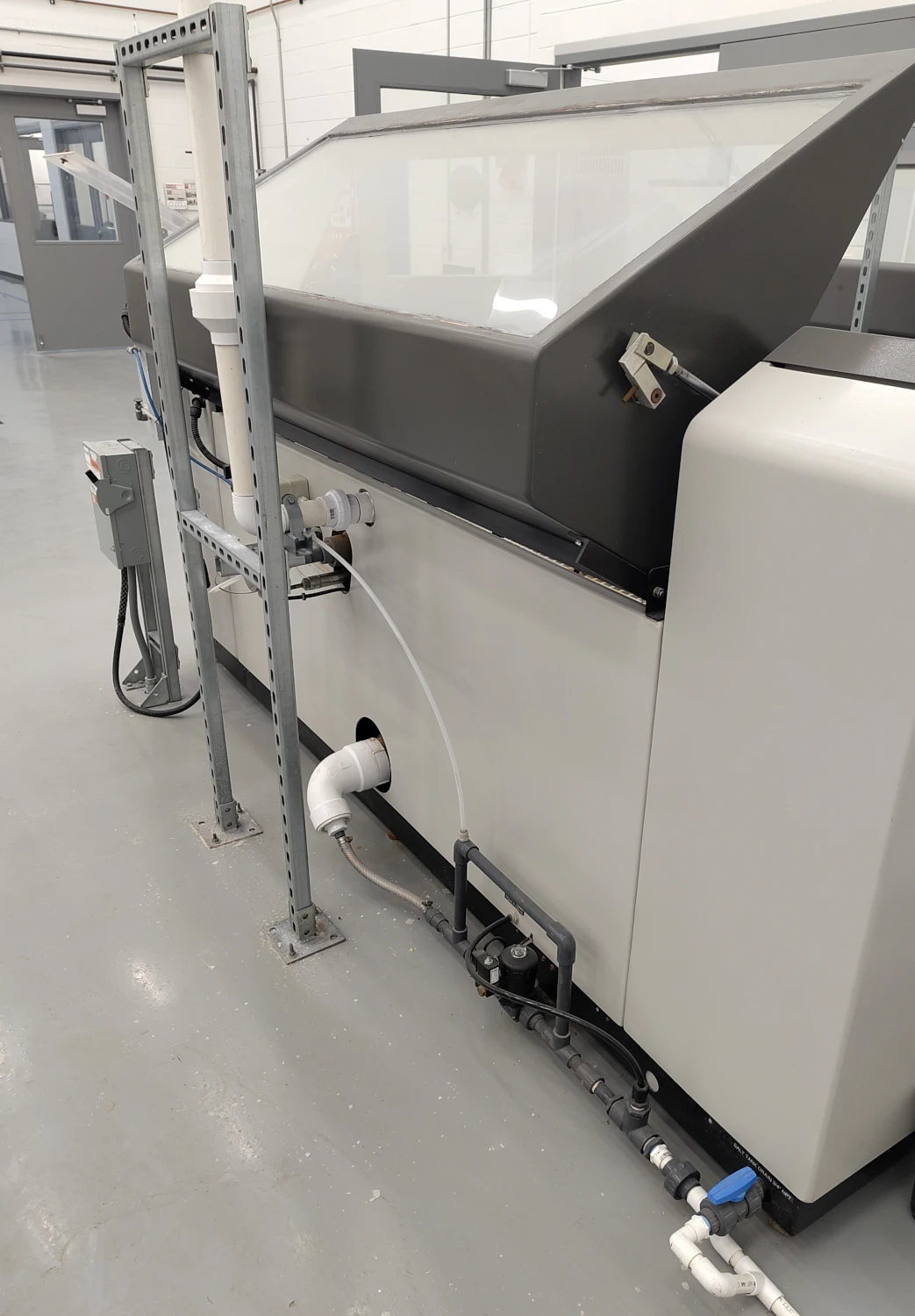
Confirm utility connections and exhaust routing before delivery. Final requirements depend on chamber size and configuration.
First-Time Setup for Your C Series Corrosion Chamber →
Electrical
208, 240, or 480 V configurations. Confirm phase, load, and disconnect requirements against your quote and drawings.
Compressed Air
65–85 psi, clean and dry. Supply through ⅜-in O.D. poly tubing.
DI Water
Pressurized DI water, typically 15–30 psi, through ⅜-in O.D. poly tubing. Specify water quality for the test method, including ASTM D1193 Type IV where required.
Drain & Exhaust
1-in gravity drain and 2-in PVC exhaust connection. Exterior exhaust runs longer than 15 ft require additional exhaust equipment or an approved engineered arrangement.
View Complete Chamber Installation Requirements →
Electrical loads and disconnect requirements
| Size | Part Number | Supply Configuration | Maximum Current |
|---|---|---|---|
| 20 | 790020 | 208 or 240 V; 1Ø / 3Ø configurations | 25.9 A |
| 20 | 790021 | 480 V / 3Ø | 12.5 A |
| 40 | 790040 | 208 or 240 V; 1Ø / 3Ø configurations | 34.2 A |
| 40 | 790041 | 480 V / 3Ø | 16.7 A |
Size the electrical circuit using the voltage, phase, and current specified on the factory drawings for your chamber.
- A qualified electrician must provide a lockable fused disconnect with slow-blow fuses, in full operator view.
- Mount the disconnect separately from the chamber cabinet.
- Size conduit and cable for the specified voltage and load.
- Provide noise/surge suppression where supply quality requires it.
Drain, exhaust, and facility details
- Use 1-in I.D. tubing on the chamber drain hose barb. Discharge to an open drain; do not hard-plumb the drain connection.
- Route exhaust directly outdoors wherever possible. Use a dedicated vent rather than a shared instrument duct or plenum.
- Support vent piping, maintain proper pitch, and leave rear-service access.
- Provide upstream filtration and drying for contaminated plant air. Purge air uses the compressed-air supply.
- Place the chamber on a flat, level floor with adequate load capacity and a nearby floor drain.
Room Requirements
Room temperature: 20–25°C (68–77°F). Room humidity: 45 ±10% RH, non-condensing. Keep the chamber environment above freezing and below 60% RH.
Frequently Asked Questions
Are salt spray and salt fog chambers different?
Salt spray chamber, salt fog chamber, and salt spray cabinet are common names for equipment that exposes specimens to an atomized salt solution. In ASTM B117 testing, the intended exposure is a fog atmosphere, with direct spray kept off the specimens. See the ASTM B117 apparatus requirements for the method’s chamber requirements.
Can the C Series run ASTM G85 Annex A5?
Yes. A5 fog/dry capability is standard. The operator manually changes the valve positions so unhumidified atomizing air bypasses the bubble tower during fogging.
Can I switch between salt spray and humidity testing?
Yes. The C Series supports water fog and wet-bottom condensing humidity. Clean the chamber before changing from salt solution to DI water, then set it up for the next method. Add the Wet Bulb Option when you need to measure humidity.
How do I choose between Size 20 and Size 40?
Size 40 provides more specimen space and uses two fog dispersion towers. Choose based on your largest part, quantity per test, support arrangement, and available floor space. The size cards include panel-capacity estimates and drawing links.
Does it need an exterior exhaust connection?
Direct exterior venting is preferred. If that is impractical, ask ATC to review a standard or recirculating scrubber arrangement. Exterior exhaust runs longer than 15 ft require additional exhaust equipment or an approved engineered arrangement. Confirm routing before ordering.
What data can the controller log?
The optional data-logging package records chamber temperature and bubble-tower temperature to the touchscreen controller’s memory card. It also records wet-bulb temperature when the Wet Bulb Option is installed. Transfer the files to a computer for test records and reporting.
How is the C Series different from the M Series?
The C Series uses a molded fiberglass cabinet, internal heating, and standard touchscreen controls. The M Series uses a steel cabinet with water-jacket heating and Command Controls, with a touchscreen available as an option. Compare the required test cycle and configuration in the C & M Series selection guide.
When should I choose an X Series chamber?
Choose the X Series for cycles requiring recirculated spray, cooled spray, humidity ramps, or broader temperature and humidity control. ATC can review OEM cycles, immersion requirements, and low-temperature stages against your specification.
Why does the chamber use a baffled fog tower?
The tower separates atomization from the specimen area. Its baffle reduces large droplets and direct impingement before fog enters the exposure zone. Specimens must still be positioned to allow fog circulation and prevent runoff from one sample reaching another.
Why is the solution reservoir inside the chamber?
Keeping solution within the heated environment helps bring it toward chamber temperature before atomization. See the reservoir illustration and fog-generation explanation for the layout and the 60-gallon capacity comparison.
Can salt spray hours be converted into years of outdoor service?
There is no universal conversion. Salt spray testing is used for comparisons and specification requirements. A service-life prediction needs evidence for the material, coating, and actual exposure environment.
What should I send for a chamber quote?
Send the standard and revision, largest specimen dimensions, quantity per test, available floor space, electrical supply, and any monitoring or reporting requirements. Include your exhaust route or a room sketch if you need installation planning assistance.
Request a C Series Quote
Send us your test standard, specimen dimensions, and quantity. We will help select the chamber size, supports, and options for your lab.
Request a C Series Quote